

Mental Health Blog
Advanced Counseling of Bozeman believes you are your own best healing resource — and you don’t have to do it alone.
Explore our blog for perspectives and tools to support your journey toward better mental health and lasting wellbeing. We believe in using evidence-based, heart-centered methods and trusted, effective modalities to achieve the peaceful, purposeful, and fulfilled life that you deserve.
Acquaint yourself with the work of our experienced clinicians and see if their work speaks to you.

Components of a Healthy Relationship and How to Build Them: Part 5 of 5
Healthy relationships don’t just happen — they grow through communication, play, and intentional connection. This post offers practical ways couples can strengthen closeness, boost joy, and nurture their bond.

Radical Responsibility: A Jungian Perspective on Taking Ownership of Our Inner World
Taking responsibility doesn’t mean blaming yourself — it means reclaiming your power. This post explores Radical Responsibility through a Jungian lens, offering insight into shadow work, self-awareness, and the courage it takes to meet every part of yourself with compassion.

Polyvagal Breathing: A Nervous System Regulation Technique
Rooted in the science of Polyvagal Theory, polyvagal breathing is a simple, evidence-based way to calm the body and regulate emotions. This post explains how the nervous system responds to stress, why breath is such a powerful tool for signaling safety, and offers an easy step-by-step breathing practice you can start using today.

When Clutter Becomes Chaos: Understanding Hoarding Disorder
Hoarding isn’t about clutter, it’s about emotional pain, fear, and the need for safety and control. This post unpacks the psychology behind hoarding disorder and how therapy can help you rebuild a sense of calm, clarity, and confidence — one small step at a time.
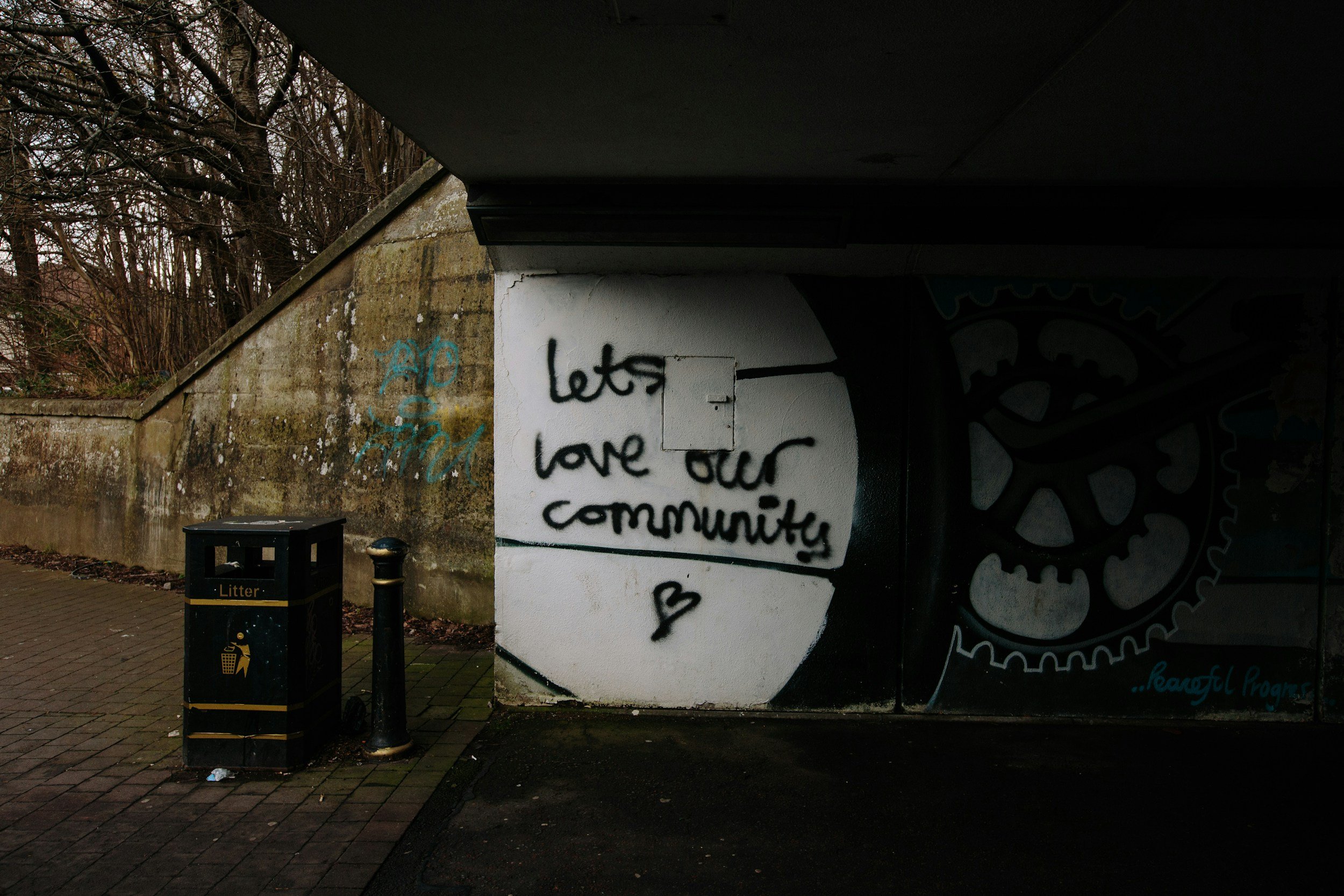
How Connection, Organization, and Collective Action Support Mental Health
Our culture often glorifies self-reliance — but real well-being depends on connection. This post explores how community, collective action, and shared care can protect mental health, counter isolation, and remind us that healing isn’t a solo journey.

Staying Curious During the Holidays
The holidays can bring both joy and tension — especially when conversations get tricky. This post explores how curiosity can help you navigate tough moments with more calm, empathy, and connection. Learn how to pause, ask questions, and stay grounded when family dynamics heat up.
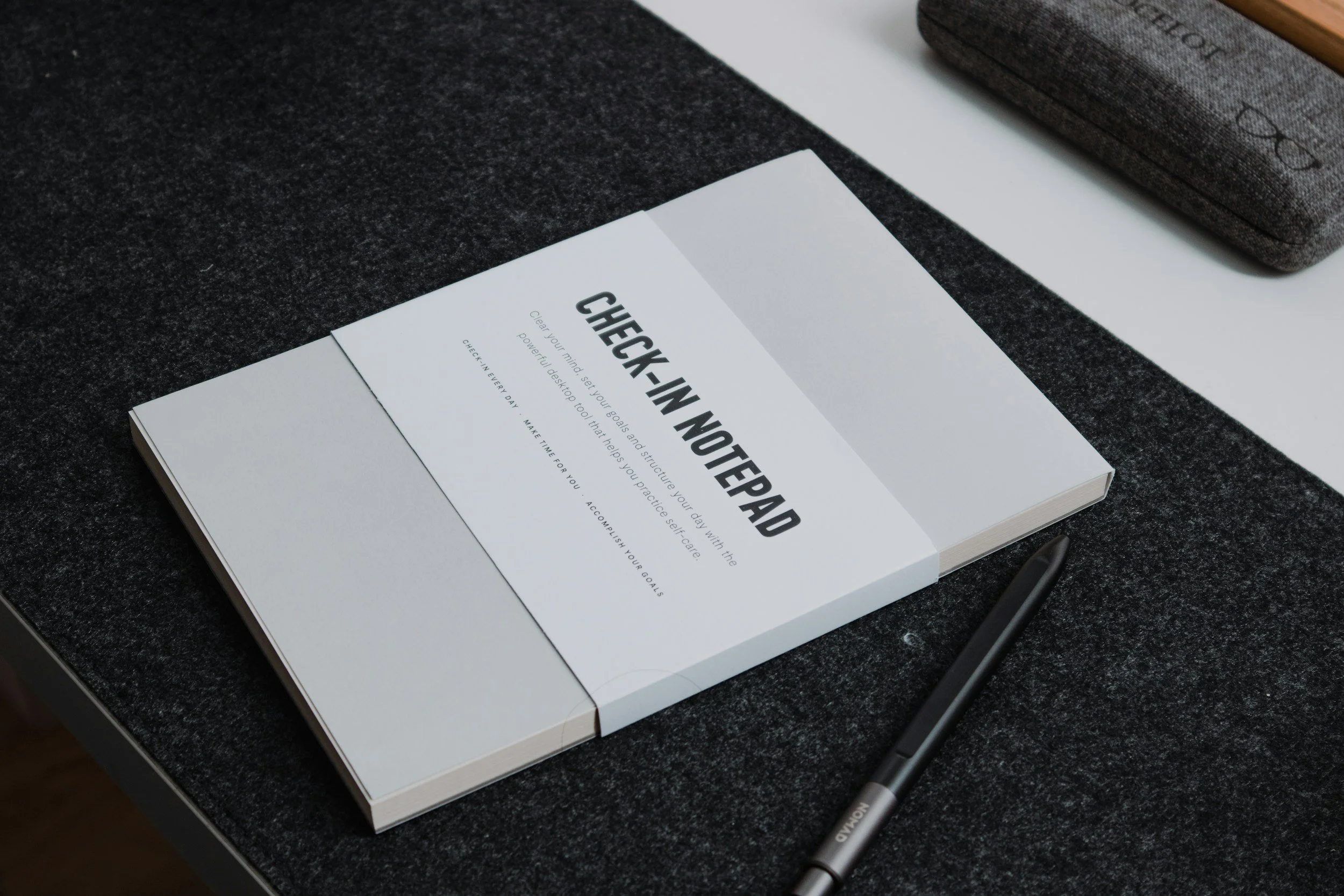
Check In With Yourself Before You Wreck Yourself
We often rush through our days without pausing to ask how we’re really doing, until our body or emotions force us to notice. This post explores why regular self check-ins matter, how to recognize what you’re feeling, and simple ways to respond with care before stress or overwhelm takes the wheel.

Attachment Styles and Why They Matter in Relationships
The way we connect in relationships isn’t random, it often traces back to our earliest bonds with caregivers. Understanding your own style can bring clarity to repeating patterns, reduce frustration, and open the door to healthier, more secure connections. The good news? Attachment styles aren’t set in stone — with awareness and support, change is possible.

Perfectionism: What It Is, How It Impacts Mental Health, and Ways to Manage It
Perfectionism can look like motivation on the surface—but underneath, it often hides anxiety, shame, and self-criticism. This post unpacks the difference between healthy striving and harmful perfectionism, explores its impact on mental health, and offers practical, evidence-based tools to loosen its grip through self-compassion and flexibility.

Living with BPD: Finding Understanding and Balance
Relationships touched by Borderline Personality Disorder (BPD) can be deeply challenging — but also full of potential for healing. Drawing from Stop Walking on Eggshells by Paul T. Mason and Randi Kreger, this post explores how understanding, empathy, and clear boundaries can bring stability and compassion to relationships affected by BPD — while reminding both partners that self-care matters, too.

Death, Grief, and Culture: Honoring the Different Languages of Loss
Grief is universal, but how we express it is shaped by culture, ritual, and community. This post explores how different traditions around the world honor loss, why understanding these differences matters, and how culturally informed grief practices can bring comfort, meaning, and connection.

Components of a Healthy Relationship and How to Build Them: Part 4 of 5
Healthy relationships are built on trust, communication, and mutual respect — and consent is at the heart of it all. This post explores what it takes to build and maintain trust, practice ongoing consent, and communicate openly with the people we care about.

Finding Meaning: An Introduction to Logotherapy
When life feels uncertain or painful, meaning can be what carries us through. This post introduces Viktor Frankl’s logotherapy — a framework built on the belief that our greatest human drive is to find purpose, even in suffering. Learn how meaning-making, choice, and perspective can transform hardship into hope and guide everyday resilience.

Sleep Hygiene for Mental Health: Why Your Bedtime Routine Matters
Good sleep is more than just hours on a clock — it’s a foundation for mental health. This post breaks down the essentials of sleep hygiene, from setting a consistent schedule to creating a calming bedtime routine. Learn how small changes to your habits and environment can lead to more restorative rest and a clearer, calmer mind.

Welcoming Every Feeling: Mental Health Lessons from Rumi’s The Guest House
Inspired by Rumi’s The Guest House, this post explores what it means to welcome every emotion — joy, sorrow, shame, and all — as temporary visitors. Through mindfulness and Acceptance and Commitment Therapy (ACT), we learn to notice thoughts and feelings without letting them define us, becoming steady, compassionate hosts to our inner world.

Halloween and Mental Health: Finding Balance Between Fun and Fear
Halloween can be a playful and creative time — but for many, the season’s focus on fear, costumes, and crowds can bring unexpected stress or painful memories. This post explores why some people love a “safe scare,” while others find it overwhelming, and offers simple ways to protect your mental health during the holiday.

Everyday Football Magic: Presence, Connection, and the Heart of Parenting
Sometimes the moments that matter most aren’t the big milestones, but the ordinary ones — cheering from the stands, holding your child close, or sharing a quiet Saturday together. This reflection is a reminder that presence, not perfection, is what makes love and connection last.

Supporting Your Teen Who May be Struggling with Depression
Depression in teens doesn’t always look like sadness. Learn the signs, start gentle conversations, and find ways to support both your teen and yourself.

Dance as a Practice for Emotional Regulation
Dance isn’t just movement, it’s medicine. You don’t need rhythm or choreography; you just need the willingness to move. This post explores how dance supports emotional regulation, why it works, and how you can use it as a simple, daily tool for mental health.

Managing Political Stress: Protecting Your Mental Health in Turbulent Times
Political stress is taking a real toll on mental health — from constant news exposure to tense conversations with loved ones. In this post, we explore five practical ways to protect your wellbeing while staying informed, from setting media boundaries to engaging more mindfully in difficult discussions.