
Niceness Isn't the Same as Kindness
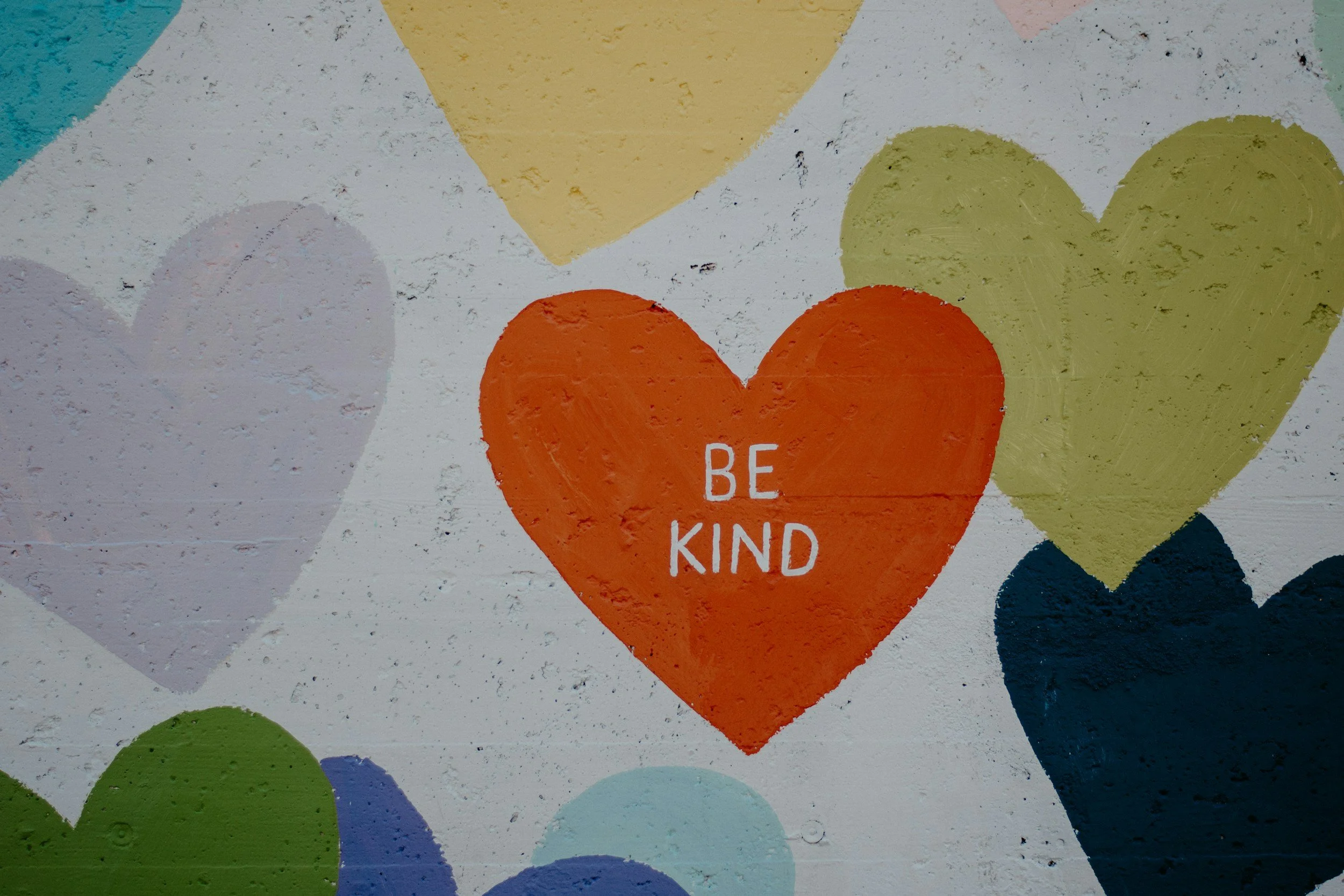
"She's just so nice."
Most of us grow up believing that's one of the highest compliments we can receive.
Be nice.
Don't make waves.
Share.
Smile.
Be agreeable.
Don't hurt anyone's feelings.
For many of us, "being nice" became part of our identity. It wasn't just something we did — being nice was who we believed we had to be.
Somewhere along the way, I began noticing something in both my therapy office and my own life: Many of the nicest people I know are exhausted.
Not because they're kind. Because they're trying so hard to be nice.
There's a difference.
At first glance, kindness and niceness seem interchangeable…
They often look similar from the outside.
Both can sound gentle.
Both can be thoughtful.
Both care about other people.
But underneath, they often come from very different places.
Niceness is often motivated by keeping the peace.
Kindness is motivated by care, for others and for yourself.
Niceness often internally sounds like...
"I don't want them to be upset with me."
"It's easier if I just say yes."
"I'll deal with it."
"It's not worth bringing up."
"I don't want to disappoint anyone."
“Keep everyone happy.”
“Don't rock the boat.”
“Avoid disappointing people.”
“Make yourself easy to be around.”
“Don't make others uncomfortable.”
Externally, niceness may sound like:
Saying nothing
Staying silent
Side-stepping a disagreement
“You’re right.”
“I’m sorry I disagreed.”
“I probably overreacted (when you didn’t).”
“I shouldn’t have said anything.”
Agreeing with them or changing the subject.
Internalizing rather than expressing hurt, disagreement, or needs.
These thoughts usually don't come from weakness.
They come from internalized messages and needs, like
fear of rejection
conflict avoidance
people-pleasing
perfectionism
childhood messages that "good people don't make waves"
and wanting to feel safe
Many people learned early in life that conflict was dangerous, disappointing others had negative repercussions, and expressing needs meant becoming a burden.
So we learned to stay agreeable.
To smooth things over.
To become easy to love.
To not “make our feelings or thoughts someone else’s problem.
To stay safe mentally, emotionally, and physically.
Kindness sounds different.
Kindness interally says:
“I can tell the truth with compassion.”
“Respect both your needs and theirs.”
“Set boundaries without shame.”
“Repair after conflict.”
“Care about people without abandoning yourself.”
Kindness can sound like:
"I care about you enough to be honest."
"I can't do that, but I hope you understand."
"That hurt my feelings."
"I need some space before we continue this conversation."
"I disagree, and I'd like to understand each other better."
"No."
None of those statements are cruel.
But they also aren't always "nice."
They're honest.
Respectful.
Boundaried.
That's kindness rooted in:
compassion
courage
respect
authenticity
emotional maturity
healthy boundaries
The problem with always being nice…
When we're constantly focused on keeping everyone comfortable, we often lose sight of ourselves.
We say yes when we mean no.
We apologize for having needs.
We tolerate things that hurt.
We avoid conversations that relationships actually need.
Eventually, resentment grows in the incongruence.
Ironically, trying so hard to keep the peace often prevents genuine connection and usually causes incongruence distress within ourselves.
Healthy relationships aren't built by pretending everything is okay.
They're built by being honest with compassion.
Kindness includes you.
One of the biggest shifts many of my clients experience is realizing that kindness isn't something we only offer other people.
We deserve it, too.
Sometimes being kind to yourself means saying no.
Sometimes it means disappointing someone.
Sometimes it means speaking a truth you've been carrying quietly for years.
That doesn't make you selfish.
It makes you honest.
Maybe we've been aiming at the wrong goal.
Instead of asking, "Am I being nice?"
Maybe we could ask, "Am I being kind?"
Kindness isn't about making everyone happy.
It's about treating yourself and others with compassion, respect, and honesty.
Sometimes those things are comfortable.
Sometimes they aren't.
But they almost always create healthier relationships than pretending everything is fine.
Being nice may keep the peace for a moment.
Being kindness has the courage to build peace that is authentic, courageous, and lasting.
Reflection
How can you be kind (not nice) to yourself today?