
Harry Potter and the Pressure to Always Be Strong
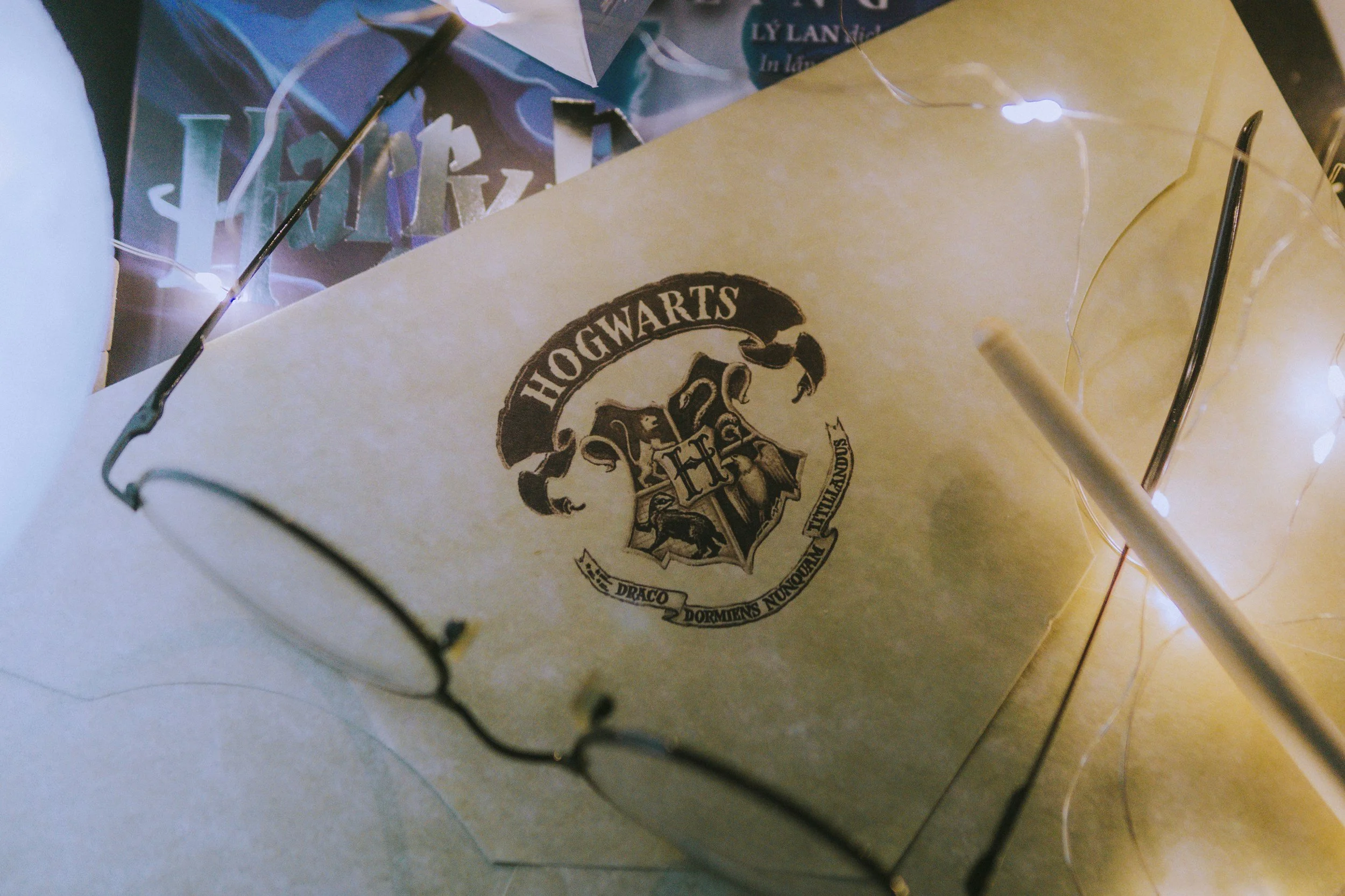
Harry Potter is often viewed as brave, selfless, resilient, and willing to protect others no matter the cost. He is the definition of Gryffindor courage, the person who keeps going even when life becomes painful, overwhelming, or unfair.
But therapy often looks deeper than strength alone.
Because many people who relate to Gryffindor personalities quietly struggle with feeling like they always have to “hold it together.”
They become the fighter.
The protector.
The problem-solver.
The one who pushes through no matter how exhausted they feel.
And over time, strength can slowly become survival.
Harry spent much of his life learning that danger could appear at any moment. He experienced loss, instability, pressure, grief, and responsibility from a very young age. Vulnerability was rarely something he had space for. Instead, he learned to survive by staying alert, taking action, and carrying the weight himself.
And honestly? Many people relate to that more than they realize.
In therapy, Gryffindor-like patterns can look like:
struggling to slow down or rest
feeling responsible for protecting others
difficulty asking for help
reacting quickly under stress
suppressing emotions until they overflow
feeling guilty for needing support
tying self-worth to being “strong”
Many people who identify with Gryffindor energy learned early:
“If I fall apart, everything else will too.”
So they keep going.
Even when they are overwhelmed.
Even when they are hurting.
Even when nobody notices how heavy it has become.
From a therapy perspective, this often connects to survival responses and hyper-independence. Some people learn that being useful, brave, or emotionally strong helped them feel safer in unpredictable environments. Over time, constantly staying in “fight mode” can make rest, softness, and vulnerability feel uncomfortable or even unsafe.
That is part of why Harry Potter resonates so deeply with people.
Not because he was fearless, but because he kept moving forward while carrying fear, grief, pressure, and loneliness underneath the surface.
Therapy often helps Gryffindor-like personalities explore questions like:
Who am I when I am not taking care of everyone else?
Am I allowed to rest without earning it first?
Can I be vulnerable without being weak?
What happens if I stop carrying everything alone?
Healing for Gryffindor personalities is not becoming less brave.
It is learning that strength also includes:
asking for help
slowing down
feeling emotions fully
allowing others to support you
recognizing that survival mode is not the same thing as safety
Because the strongest people are not the ones who never struggle.
They are the ones who eventually learn they do not have to fight every battle alone.