
Why Does Time Feel Like It's Moving Faster? And How We Can Intentionally Slow It Down
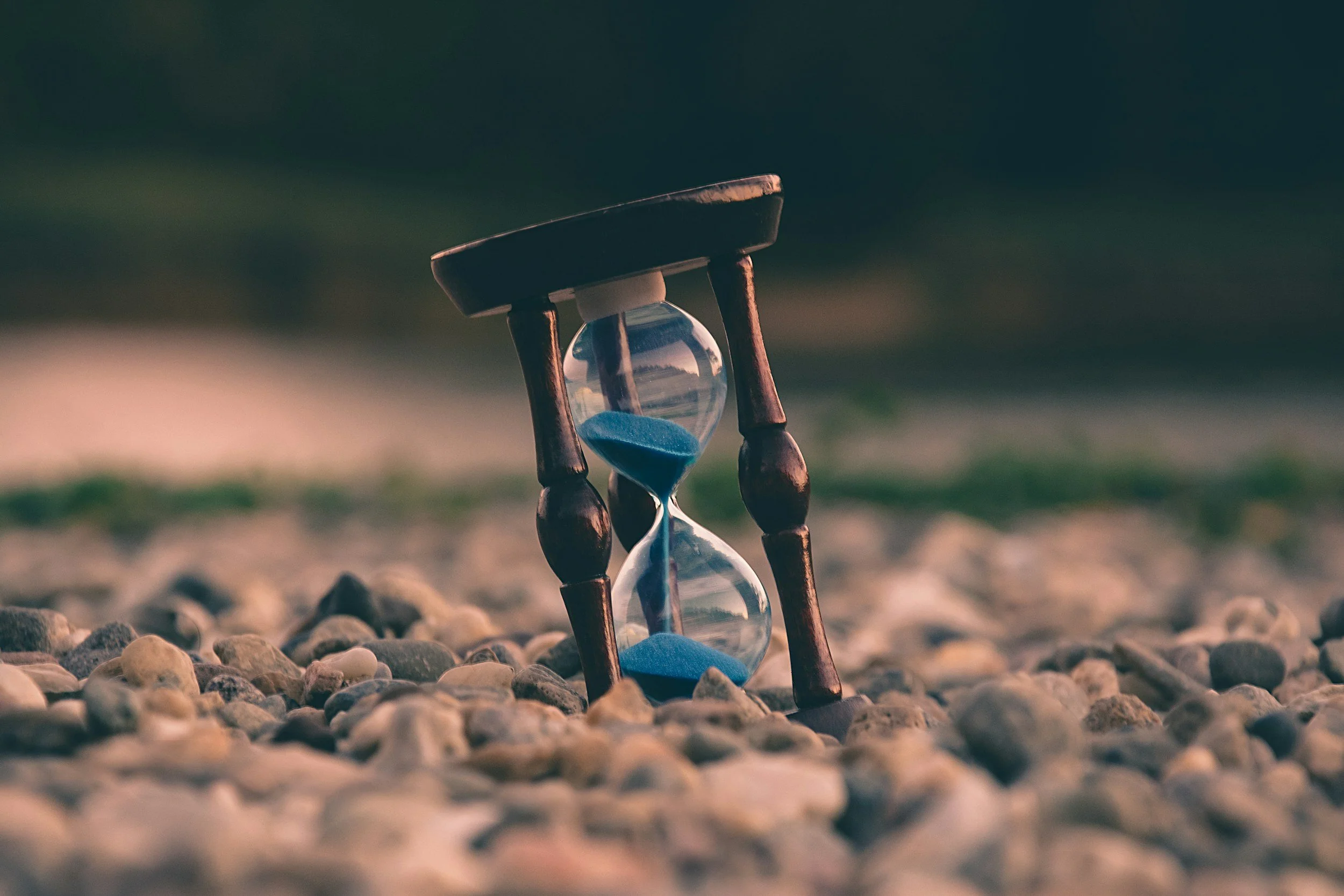
Have you ever caught yourself saying, "I can't believe it's already July," or "Where did this year go?"
Many of us feel as though life is speeding up. Weeks blur into months, birthdays arrive sooner than expected, and before we know it, another season has passed. While clocks haven't changed, our experience of time often has.
The good news? There are reasons this happens — and there are ways to reclaim a greater sense of presence.
Why Time Seems to Speed Up
Our perception of time isn't determined solely by minutes and hours. It's shaped by our attention, emotions, memories, and daily routines.
Routine Compresses Time
Our brains are incredibly efficient. When we repeat the same routines day after day, our minds stop paying close attention to familiar experiences. We operate on autopilot.
Think about your drive home from work. Have you ever arrived and realized you barely remember the trip? Your brain filled in the gaps because the route was so familiar.
The same thing happens with weeks and months. When days become predictable, they leave fewer distinct memories behind. Looking back, the time feels compressed.
Novel Experiences Expand Time
When we experience something new — a vacation, a new hobby, meeting new people, or exploring a different place — our brains pay much closer attention.
Novel experiences create richer memories, making that period feel longer and fuller in retrospect. This is one reason childhood often seems to have lasted forever. Everything was new.
As adults, many of us unknowingly trade novelty for efficiency, and our perception of time changes as a result.
Chronic Stress Pulls Us Out of the Present
When we're overwhelmed, our minds tend to live in one of two places:
Replaying the past
Worrying about the future
Stress narrows our attention toward solving problems and anticipating what's next. While this can help us survive difficult situations, it often prevents us from fully experiencing the present moment.
Ironically, the busier we become trying to "keep up," the faster life seems to pass us by.
Technology Keeps Our Attention Fragmented
Many of us move rapidly from one notification to the next, checking emails, scrolling social media, answering texts, and multitasking throughout the day.
While we're constantly busy, we're rarely fully engaged.
Attention is the currency of our experience. When our attention is divided, our memories become thinner, and time can feel as though it slips through our fingers.
The Psychology of Slowing Down
Slowing down doesn't necessarily mean doing less.
It means becoming more present for what we're already doing.
When we intentionally direct our attention to the current moment, our brains encode richer experiences. We notice details that would otherwise go unseen- the warmth of a cup of coffee, the sound of birds outside, a genuine conversation, or the feeling of taking a full breath.
Presence gives life texture.
Instead of racing from one task to another, we begin experiencing our lives rather than simply managing them.
Ways to Intentionally Slow Time
While we can't change the clock, we can change how we experience it.
Here are a few simple practices that can help.
Practice Single-Tasking
Instead of eating while scrolling, listening to a podcast while answering emails, or watching television while folding laundry, try doing one thing at a time.
Giving your full attention to one activity strengthens your awareness and often makes experiences feel more satisfying.
Create Small Moments of Novelty
You don't need an expensive vacation to make life feel fuller.
Try:
Taking a different walking route
Cooking a new recipe
Reading a book outside instead of indoors
Listening to unfamiliar music
Starting a creative hobby
Visiting a nearby town you've never explored
Small changes signal to your brain that something meaningful is happening.
Schedule White Space
Many calendars are filled from morning until bedtime.
Consider intentionally protecting small pockets of unscheduled time — even ten or fifteen minutes — to sit outside, journal, stretch, or simply do nothing.
Our minds need room to process experiences instead of rushing immediately to the next obligation.
Notice Ordinary Beauty
One of the simplest mindfulness practices is asking yourself:
"What do I notice right now?"
You might notice sunlight through a window, the smell of fresh coffee, laughter from another room, or the feeling of your feet on the ground.
These ordinary moments often become the most meaningful when we actually experience them.
Reflect at the End of the Day
Before bed, ask yourself:
What made me smile today?
What surprised me?
What am I grateful for?
When did I feel most alive?
Reflection strengthens memory and helps your brain recognize that your days contain more than just obligations.
Finally —
Life may always feel busy. Responsibilities don't disappear, and seasons continue to change.
But we don't have to let our lives become a blur.
The goal isn't to make every day extraordinary. It's to become more present for the ordinary moments that quietly make up a meaningful life.
When we slow our attention, we often discover that time hasn't actually sped up — we've simply been moving through it too quickly to notice.
Perhaps the greatest gift we can give ourselves isn't more time, but a deeper experience of the time we already have.