
What Does Regulation Actually Feel Like?
Throughout this series, we've explored how the nervous system responds to stress, the window of tolerance, ways to expand our capacity for regulation, and the importance of co-regulation. But one question often remains:
What does regulation actually feel like?
Many people imagine regulation as feeling calm, peaceful, and happy all the time. If they still experience anxiety, sadness, frustration, or stress, they assume they must be dysregulated. Fortunately, that isn't how healthy nervous systems work. Regulation is not the absence of emotion. It is the ability to experience emotions without becoming overwhelmed by them.
Regulation Is Flexibility, Not Perfection
Dr. Dan Siegel (2020) describes mental health as the ability to remain flexible, adaptive, coherent, energized, and stable. In other words, regulation is less about controlling emotions and more about responding to them effectively.
A regulated nervous system can still experience:
Anxiety before an important presentation.
Sadness after a loss.
Anger when a boundary has been crossed.
Excitement before something meaningful.
Grief after disappointment.
These emotions are not signs that something is wrong. They are signs that your nervous system is doing what it was designed to do. The difference is that regulation allows these emotions to move through us rather than trapping us in survival.
Regulation Feels Like...
Regulation often feels much more ordinary than people expect.
It may look like:
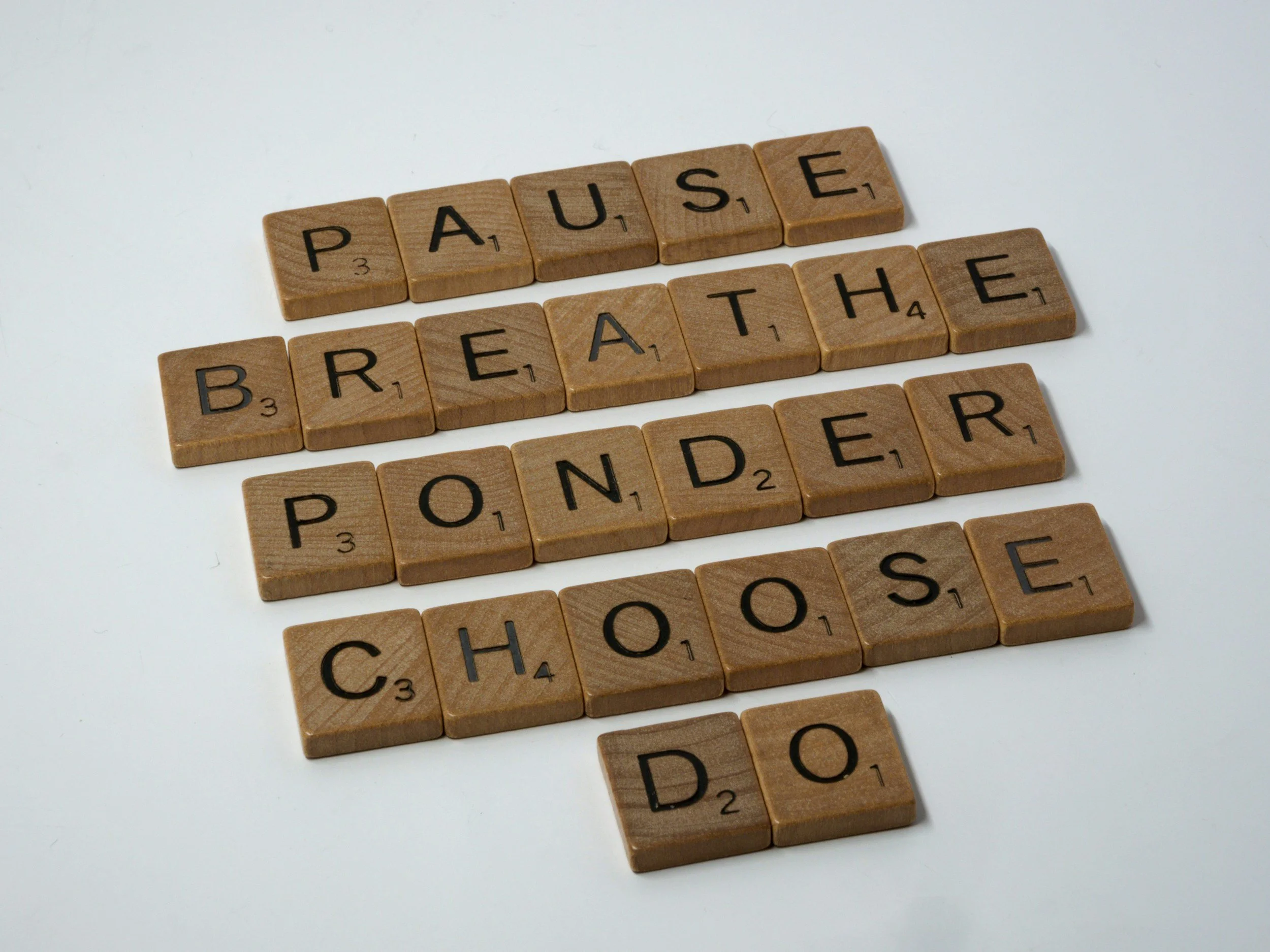
Pausing before reacting.
Taking a deep breath instead of yelling.
Feeling anxious but still attending the event.
Crying without believing you'll never stop.
Asking for support instead of isolating.
Taking a break before becoming overwhelmed.
Recovering after conflict instead of replaying it for days.
Notice that none of these examples involve eliminating emotion. Instead, they reflect the ability to remain connected to yourself while experiencing emotion.
Regulated People Still Become Dysregulated
One of the biggest myths about nervous system health is that regulated people never leave their window of tolerance. The truth is exactly the opposite: Everyone becomes dysregulated. Stress, grief, illness, conflict, poor sleep, chronic pain, trauma reminders, and major life changes can temporarily push anyone outside their window of tolerance (Porges, 2011).
The difference is not whether dysregulation happens, rather, how quickly we recognize it, respond to it, and return to regulation. Resilience is measured less by never falling and more by how we recover.
Regulation Includes Repair
Healthy regulation also shows up in relationships. Rather than avoiding conflict altogether, regulated people are often able to:
Apologize when needed.
Repair misunderstandings.
Stay curious during disagreement.
Express needs respectfully.
Listen without immediately becoming defensive.
Relationships are not healthy because conflict never occurs. They are healthy because both people are able to find their way back to connection.
Regulation Feels Like Safety in Your Own Body
For many people, regulation may feel quiet, steady, spacious, grounded, curious, or present. Others may not notice a distinct emotional shift at all. Instead, they may recognize regulation through increased flexibility, clearer thinking, improved concentration, reduced sensory overwhelm, or having enough energy to engage in daily life.
Some people even describe early regulation as "boring." This isn't because something is missing. It's because the nervous system has become accustomed to operating in high alert or shutdown. As Stephen Porges (2011) notes, the autonomic nervous system continually adapts to our lived experiences. When survival has been the norm, steadiness can initially feel unfamiliar. Over time, however, this steadiness becomes more comfortable.
Regulation Doesn't Always Feel the Same for Everyone
It's also important to recognize that regulation can look different from person to person. Individuals with autism, ADHD, alexithymia, or other forms of neurodivergence may not experience or express regulation in the same way that neurotypical people do.
For example, someone with alexithymia may have difficulty identifying or describing their emotions, yet still be well regulated. They may notice changes in their body, such as muscle tension, fatigue, or a racing heart, before recognizing an emotional experience. Others may recognize regulation through increased clarity of thinking, a greater ability to focus, or reduced sensory overwhelm rather than a distinct feeling of "calm."
Similarly, many autistic individuals may not describe themselves as feeling "calm and connected." Instead, regulation might look like having enough capacity to engage in conversation, tolerate sensory input, complete daily tasks, communicate their needs, or participate in activities they value. Some may regulate through movement, stimming, special interests, time alone, or predictable routines.
The goal is not to fit a universal picture of regulation. The goal is to understand how your own nervous system experiences safety, balance, and flexibility.
Signs You May Be Becoming More Regulated
Growth is often easier to recognize by looking backward than by noticing it in the moment.
Some subtle signs include:
Recovering from stress more quickly
Noticing your emotions sooner
Pausing before reacting
Setting boundaries with less guilt
Tolerating uncertainty more easily
Asking for help before reaching a breaking point
Spending less time stuck in shame after making mistakes
Feeling more connected to yourself and others
These changes may seem small, but together they reflect increasing nervous system flexibility.
A New Way to Think About Regulation
Perhaps the greatest shift is letting go of the idea that regulation means feeling calm all the time. Instead, imagine regulation as having a sturdy boat rather than perfectly calm water. Life will always bring waves. Some will be small, while others may feel overwhelming. Regulation doesn't stop the waves from coming; It helps you stay afloat when they do.
As we've explored throughout this series, our nervous systems are designed to adapt, connect, and protect us. Regulation isn't about becoming someone who never struggles, it's about developing the flexibility to move through life's challenges with greater awareness, resilience, and self-compassion.
In our next and final post in this series, we'll discuss an equally important reality: there are times when regulation isn't possible...and that's not a personal failure. We'll explore why chronic stress, unsafe environments, discrimination, caregiving, grief, and trauma can overwhelm even the healthiest nervous systems, and what to do when survival, not regulation, is the priority.
Leanne Sudbeck, MSW, SWLC
References
Barrett, L. F. (2017). How emotions are made: The secret life of the brain. Houghton Mifflin Harcourt.
Bird, G., & Cook, R. (2013). Mixed emotions: The contribution of alexithymia to the emotional symptoms of autism. Translational Psychiatry, 3(7), e285. https://doi.org/10.1038/tp.2013.61
Kinnaird, E., Stewart, C., & Tchanturia, K. (2019). Investigating alexithymia in autism: A systematic review and meta-analysis. European Psychiatry, 55, 80–89.
Porges, S. W. (2011). The polyvagal theory: Neurophysiological foundations of emotions, attachment, communication, and self-regulation. W. W. Norton & Company.
Siegel, D. J. (2020). The developing mind (3rd ed.). Guilford Press.
van der Kolk, B. A. (2014). The body keeps the score: Brain, mind, and body in the healing of trauma. Viking.