
Values, Purpose, and Living in Alignment: Part 1 of 4
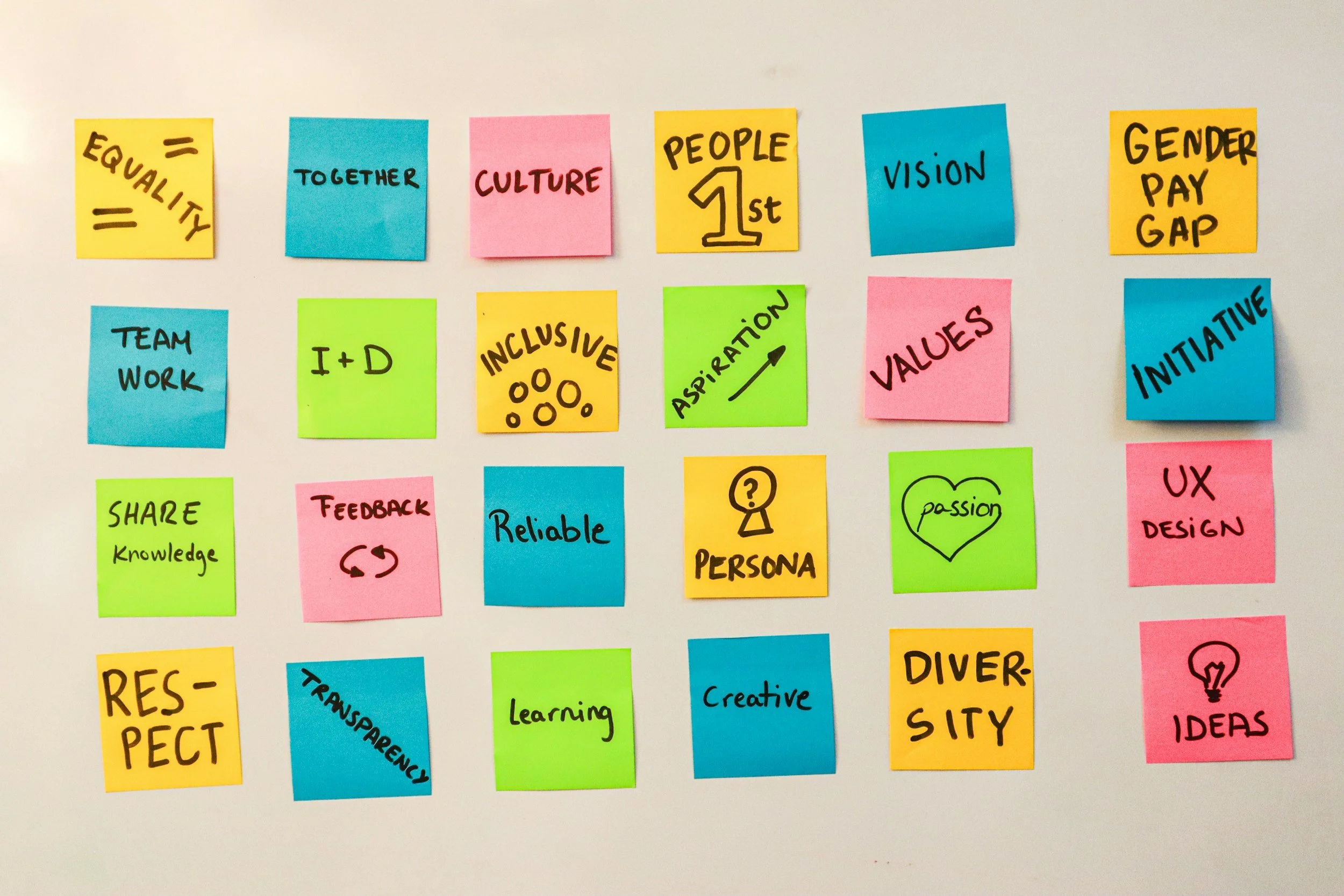
Change doesn’t have to start with fixing yourself. Often, it starts with understanding what matters to you—and why. This series explores values and purpose as steady guides rather than rigid rules, offering a trauma-informed, compassionate way to notice when life feels off and how to gently realign. Wherever you’re beginning from is enough.
Part One — Values as a Guide: Curiosity About what Matters to You
This series is an invitation to step away from rigid resolutions and toward a deeper understanding of values and purpose - not as goals to achieve, but as guides to live by.
Why Resolutions So Often Fail
Every January, we’re encouraged to do more, be better, try harder. Eat cleaner. Work harder. Be calmer. Be more disciplined. For many people, especially those who are burned out, overwhelmed, parenting, healing from trauma, or simply stretched thin, this approach doesn’t inspire growth - it reinforces shame and negative thoughts about ourselves.
Resolutions tend to fail not from lack willpower, but because they’re often built on pressure. They ask for behavior change in this chapter without reading the rest of the story. They focus on outcomes without honoring capacity. So, when life inevitably gets messy, chaotic, and hard, missed goals can quickly turn into self-criticism: “Why can’t I stick with anything? What’s wrong with me? I’m not good enough.”
If that sounds familiar, I’m here to remind you: There is nothing wrong with you. There may simply be a mismatch between what you’re asking of yourself and what you actually need or have the capacity for at the moment.
Values as Orientation
Values offer a different starting point for life navigation.
Unlike resolutions, values aren’t rooted in rigid rules or deadlines. They’re steady guides that help you orient your choices.
For example:
A resolution might say, “I will work out five days a week.”
A value might say, “I value caring for my body.”
One is narrow and incredibly inflexible. The other is focused and compassionate. A values-based approach leaves room for rest, illness, changing seasons, and real life. It allows you to ask, “Given the energy and resources I have today, what would honoring this value look like?” Maybe caring for your body today is a push-your-body-to-the-limits workout. Or maybe it’s a bubble bath, a walk, drinking more water, or playing basketball with friends.
This Is Not About Fixing Yourself
If you’re coming into a new year feeling tired, behind, or unsure, this is not an invitation to overhaul your life in pursuit of perfect values or monk-like purpose. It’s an invitation to listen. To get curious. To wonder what matters to you beneath the expectations, roles, and survival strategies you’ve learned along the way. What happens when you listen to – and begin to follow – your values? What happens when your values begin orienting your purpose?
You don’t need more discipline.
You don’t need to try harder.
You don’t need to become someone else.
You may simply need space to understand what truly matters to you—right now, in this season of your life.
Values-Oriented Purpose: Direction, Not Achievement
As you allow yourself time to reflect on your values, you may find that your sense of purpose may not quite align or synchronize with those values or your daily life.
That’s okay. It’s part of the process of really digging in to who you are, what matters to you, and how you want to live your life.
Many people carry the belief that they need to “find their purpose” - as if it’s a single, defining achievement to work toward. But, just as our New Year’s resolutions don’t have to be rigid and fixed to serve us, neither does our life’s purpose. Purpose can also be oriented and fueled by your values.
Purpose can sound like:
I want to live in a way that feels meaningful to me.
I want my choices to reflect what I care about.
I want my life to feel more aligned, even if it’s imperfect.
When purpose is rooted in values, it becomes something you practice, not something you prove.
Gentle Reflection
No pressure here. This section isn’t about homework - it's about letting yourself have the space to gently discern what is coming up for you. Writing down your answers is optional.
When you think about setting goals or resolutions, what emotions tend to show up for you (pressure, hope, exhaustion, resistance)? What might those feelings be trying to tell you?
In moments when life has felt most meaningful or steady—even briefly—what values were present (such as connection, rest, honesty, growth, safety, creativity)?
If this year were guided less by “doing better” and more by “living in alignment,” what is one value you’d want to orient toward—without needing to get it right?
Up Next
In the next post in the series, we’ll explore where values come from, how they’re shaped by our experiences (including trauma), and why it makes sense if yours feel unclear or conflicted. For now, let this be enough:
You don’t need to fix yourself. You need to understand what matters to you.
Resources:
Here is a link to some of the values you may find present in your life. If you feel like taking a look, quietly start asking yourself which of them might stand true for you right now. https://brenebrown.com/resources/dare-to-lead-list-of-values/