
Tending the Garden Within
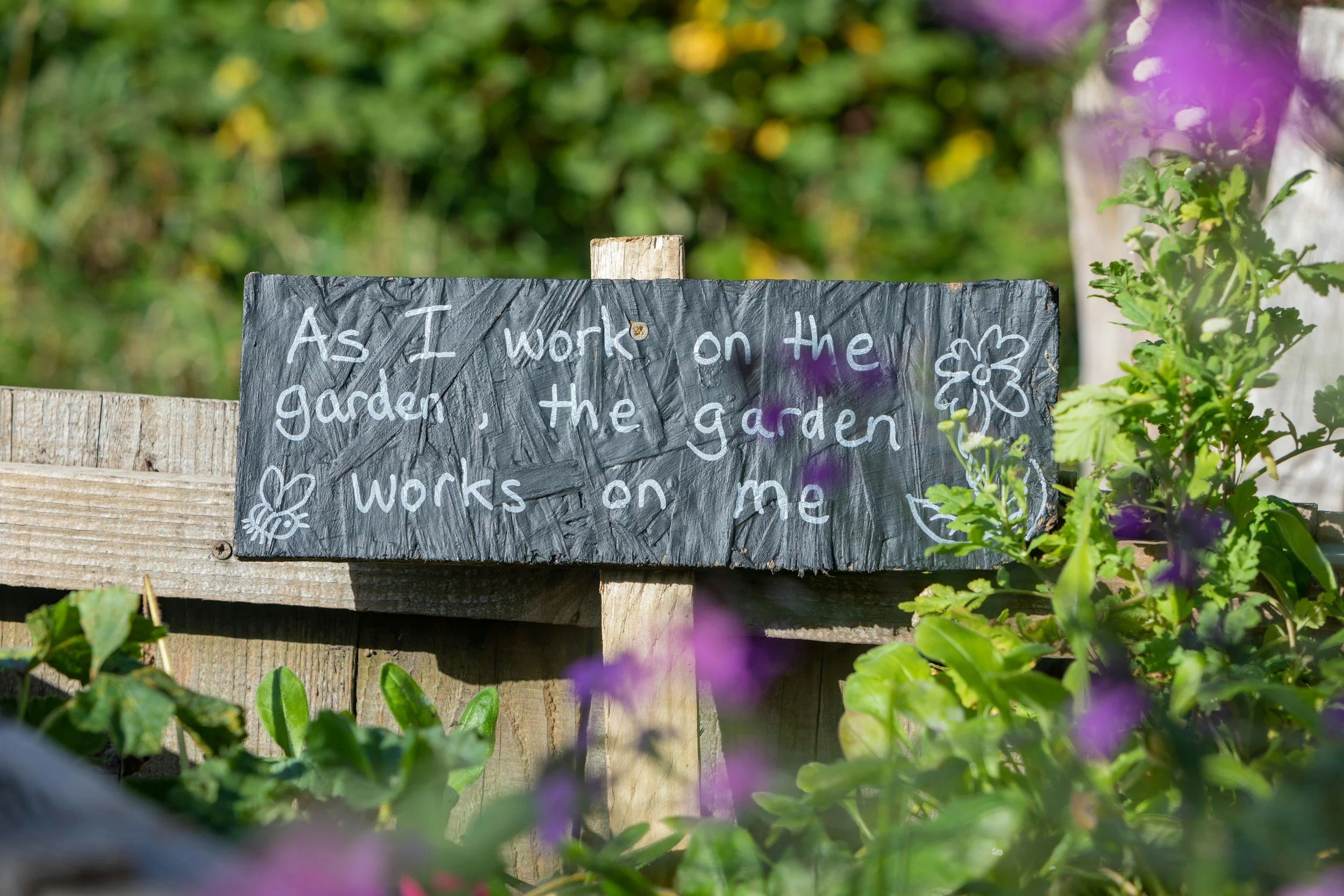
Healing rarely looks like a breakthrough. More often, it looks like tending a garden.
At first, there is darkness. Not the dramatic kind, but the quiet, buried kind... the kind that feels like nothing is happening at all. But this is where all growth begins.
A seed does not sprout in the light. It is pressed into the soil, surrounded, hidden, and softened by time. If you’ve ever felt buried by grief, uncertainty, or exhaustion, it may not be the end of something. It may be the beginning.
You Can’t Force Growth
A garden teaches patience better than anything else. You cannot force a seed to grow by pulling on it. You prepare the conditions instead. You loosen the soil. You water. You make sure there is enough light. Healing works the same way. You don’t rush it, you create space for it.
Light and Nutrients
Light matters. In a garden, light is energy. In a life, it can be anything that brings warmth back into your system, such as connection, truth, rest, even small moments of joy.
Too much harsh light can scorch, but too little leaves things weak and searching. Part of tending yourself is learning how much light you can handle and slowly expanding that capacity.
Nutrients matter, too. Plants draw from the soil what they need to grow strong. Humans aren’t so different. We need emotional nutrients like supportive relationships, meaningful work, and honest reflection.
Without them, growth becomes fragile. With them, even something that started small can take root.
We Don’t Grow Alone
No garden thrives alone. One of the most fascinating truths in nature is that trees are not isolated individuals. Aspen groves, for example, are connected by vast underground root systems. What looks like many trees is often one living organism, sharing resources.
Beneath the soil, fungi form vast networks that link different plants together, sometimes called the “wood wide web.” Through these networks, trees and plants can exchange nutrients and even send signals when they are under stress.
Healing works the same way.
We are not meant to do it alone. The people in your life, such as trusted friends, therapists, family, and supportive communities, become part of your root system. They help hold you up when your own strength feels thin. They offer perspective, nourishment, and connection when you feel isolated.
Growth becomes more possible when it’s shared.
The Weeds
And then there are the weeds.
Weeds are often the first thing we want to get rid of. They feel intrusive like unwanted thoughts, old patterns, anxiety, and self-doubt. They take up space and energy, and it’s tempting to try to rip them out quickly and be done with them.
But weeds are not just nuisances; they are messengers.
In a garden, weeds often grow where the soil is disturbed, compacted, or lacking something. They can signal imbalance. In our lives, those “weeds” might be coping mechanisms that once helped us survive, such as hypervigilance, avoidance, and perfectionism.
They may not serve us anymore, but they didn’t appear for no reason. If we only tear them out without understanding them, they tend to come back.
Tending to weeds means getting curious instead of critical.
What is this pattern trying to protect?
What does it need that it isn’t getting?
Sometimes the work isn’t just removal; it’s restoration. Improving the soil. Creating healthier conditions so what we actually want has room to grow.
And yes, some weeds do need to be gently, consistently pulled. Boundaries matter. Awareness matters. But even that process is not about punishment, it’s about care.
Decay is Part of Growth
Finally, there is decay, something we often resist.
Leaves fall. Plants die back. At first glance, it looks like loss. But nothing in a garden is wasted. Those fallen leaves break down, enriching the soil. What appears to be an ending becomes nourishment for the next cycle of growth.
The same is true for us. Pain, failure, endings compost. Not immediately, and not without discomfort. But over time, they break down into something usable. Wisdom. Resilience. Depth.
Trusting the Process
Tending a garden requires trust in cycles you cannot control. You don’t panic when winter comes, because you know something is still happening beneath the surface. Healing asks for that same trust. That even when you feel dormant, something in you is quietly preparing for what’s next.
So if you find yourself in the dark, don’t assume you’re lost. You may just be planted. Your job is not to force the bloom. Your job is to tend the garden with light, care, connection, curiosity, and time.
Even the weeds have something to teach you.