
Resetting Your Mind and Home as Summer Transitions Into Fall
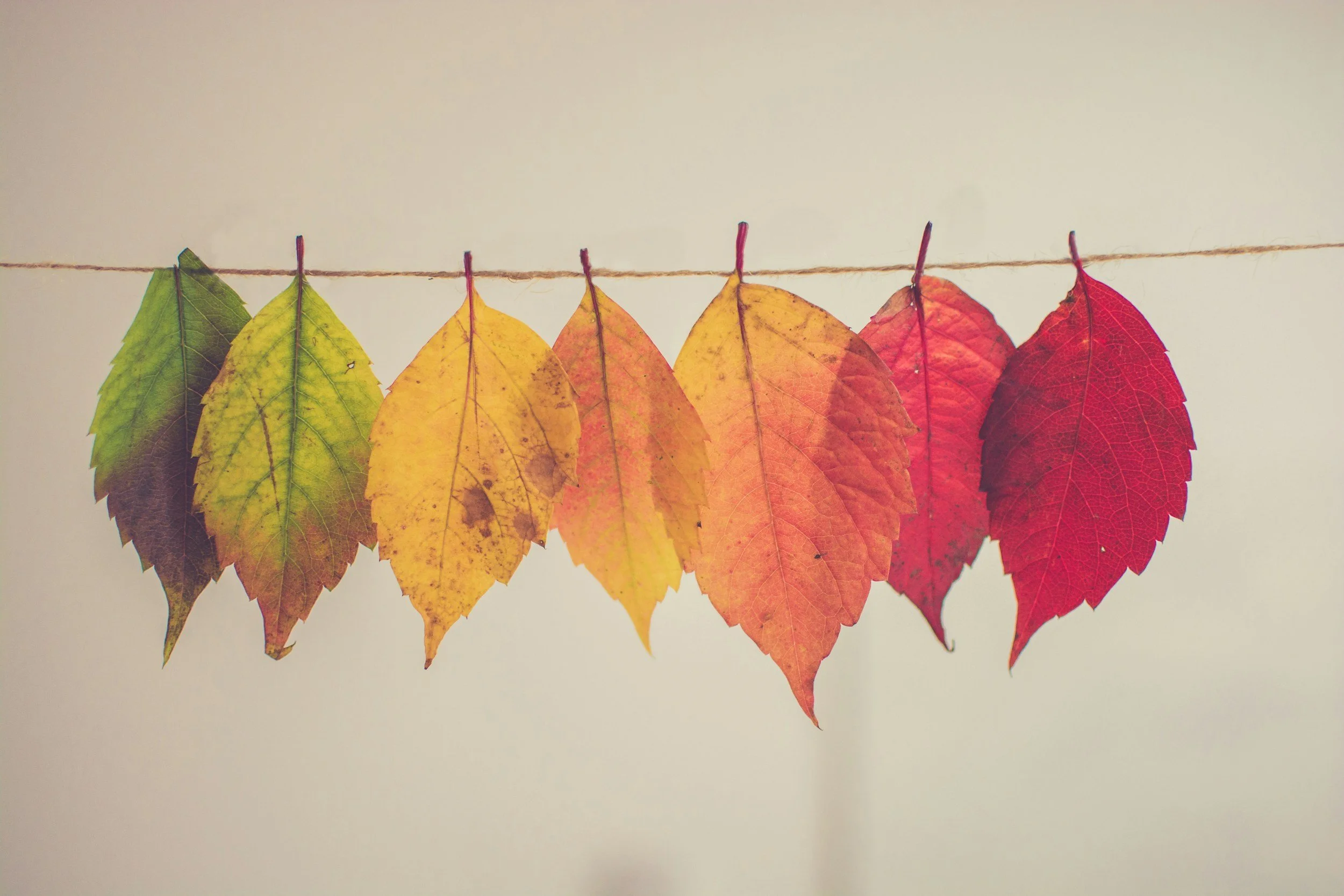
The change from summer to fall doesn’t just show up on the calendar. It shows up in our mood, our energy, and our sense of routine.
The relationship between seasonal transitions and mental well-being is more significant than most of us realize. Learning to work with that shift, rather than against it, is often the first step toward moving into fall feeling grounded instead of scattered.
Why Seasonal Transitions Can Feel Unsettling
It’s important to recognize that the “back to school, summer’s over” feeling isn’t just nostalgia. It can be a real response to change.
Any transition, even a welcome or seemingly minor one, asks something of our nervous system. Shorter days, cooler temperatures, and a return to structure can trigger a subtle stress response: a low level of restlessness, a resistance to letting go of summer, or a rush to fill the space with new routines before we’ve actually closed out the old ones.
The good news is that, like other transitions, this one can be moved through with intention rather than simply endured.
The connection between how we mark endings and how we handle change flows both ways. Skipping the “goodbye” part of a transition—rushing straight into pumpkin spice everything—can leave us feeling unsettled without knowing why. At the same time, getting stuck in the goodbye—mourning summer well into October—can keep us from arriving in the new season at all.
Practicing small, intentional transitions, like the one ahead of us now, can help build our capacity for the bigger transitions life inevitably asks of us.
Creating an Intentional Transition Into Fall
Consider incorporating some of these approaches as you move from summer into fall:
Clean and pack away summer gear. Store those beach bags, sandals, and the patio umbrella. As you do, notice what you’re grateful for from the season. This can turn a chore into a small closing ritual rather than just another task.
Use or freeze the remaining summer produce. Put up your zucchini and tomatoes. It can be a small act of care for the future and a gentle way of honoring the season’s abundance before it’s gone.
Swap lightweight bedding for warmer layers. Our bedrooms are meant to feel like one of the safest rooms in the house, so this can be a good place to let the seasonal shift begin.
Bring in cozy textures and darker tones. Think wool or flannel throws and warmer lighting. Our environment communicates safety to our nervous system, and fall décor can become part of that cue to slow down.
Adjust your sleep schedule as mornings get darker. Reduced morning light affects mood and energy for many people. A proactive shift can soften the adjustment instead of allowing it to catch you off guard.
Create a new warm-drink ritual. Maybe it’s herbal tea, spiced coffee, or whatever feels right. This can give your day a reliable anchor point during a season of change.
Add a few simple fall touches. Set out the pumpkins, dried leaves, or a warm-scented candle. You don’t need a full redecoration; a few intentional signals can be enough to shift the emotional tone of a space.
It’s Not Really About the Pumpkins
This is all, of course, not really about the pumpkins or the throw pillows.
It’s about getting a little practice noticing when something is ending, sitting with that for a moment, and not skipping straight to the next thing.
If this seemingly small seasonal shift hits you harder than you expected—perhaps bringing up more sadness than seems to make sense, or leaving you feeling like you’re really not ready to let summer go—that’s worth noticing too.
Sometimes “it’s just the autumn” cracks open something bigger about change in general. That may be worth exploring further in a journal or with your therapist.
Either way, let yourself actually close out summer before diving into sweater weather.
Rachel Brown, MSW, SWLC
Resources
https://www.thegoodtrade.com/features/fall-equinox/
https://careand.ca/blog/habit-formation-science-building-sustainable-health-routines