
Book Review: How to Keep House While Drowning by KC Davis
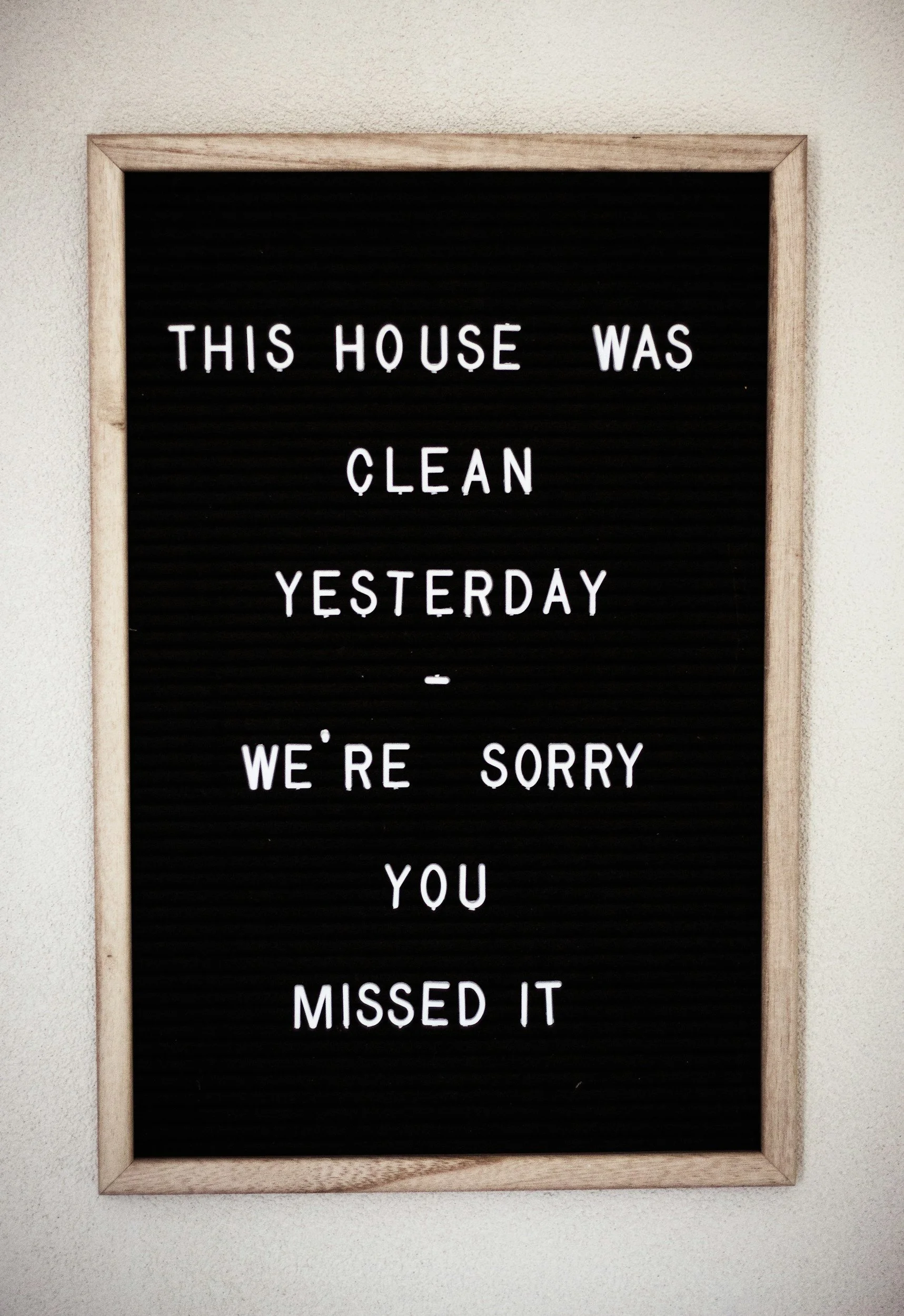
How to Keep House While Drowning: A Gentle Approach to Cleaning and Organizing by KC Davis offers a compassionate and refreshing perspective on housekeeping, self-care, and the pressure many people feel to “keep up” with everyday life. Rather than presenting cleaning and organization as measures of discipline, productivity, or personal worth, Davis encourages readers to view them as functional tasks meant to support their wellbeing.
At the heart of the book is a simple but powerful message: care tasks are morally neutral. A messy home does not make someone lazy, bad, or irresponsible, just as a perfectly clean home does not make someone more worthy. This perspective can be especially meaningful for people who are struggling with stress, burnout, depression, executive functioning difficulties, parenting responsibilities, or other circumstances that make daily tasks feel overwhelming.
Davis challenges the “all or nothing” thinking that often surrounds household responsibilities, encouraging readers to focus on what is functional and manageable. Sometimes doing the dishes may mean washing every item in the sink. Other times, it may mean washing only one plate because that is what a person has the capacity to do.
One of the strengths of the book is that she explores the connection between self-compassion and daily functioning. Many people respond to difficulty by criticizing themselves, believing that shame will motivate them to do better. Davis offers an alternative: approaching ourselves with kindness and recognizing that struggling with basic tasks does not mean we are failing. By separating a person's worth from their level of productivity, the book creates space for a healthier and more sustainable approach to self-care.
Another important theme is the idea that rest and care are not rewards that must be earned. People do not have to complete every task on their to-do list before they are allowed to eat, sleep, shower, or take a break. This message challenges the belief that our needs only matter once we have been sufficiently productive.
How to Keep House While Drowning is a relatively short and easy read, but its ideas can have a significant impact. It is particularly well suited for readers who feel overwhelmed by household responsibilities or who carry guilt and shame about not being able to maintain their home in the way they believe they “should.” The book may also resonate with caregivers, parents, people experiencing burnout, and anyone who has ever felt that everyday tasks require more energy than they have available.