
Helpful Tips for Parenting Neurodivergent Kids
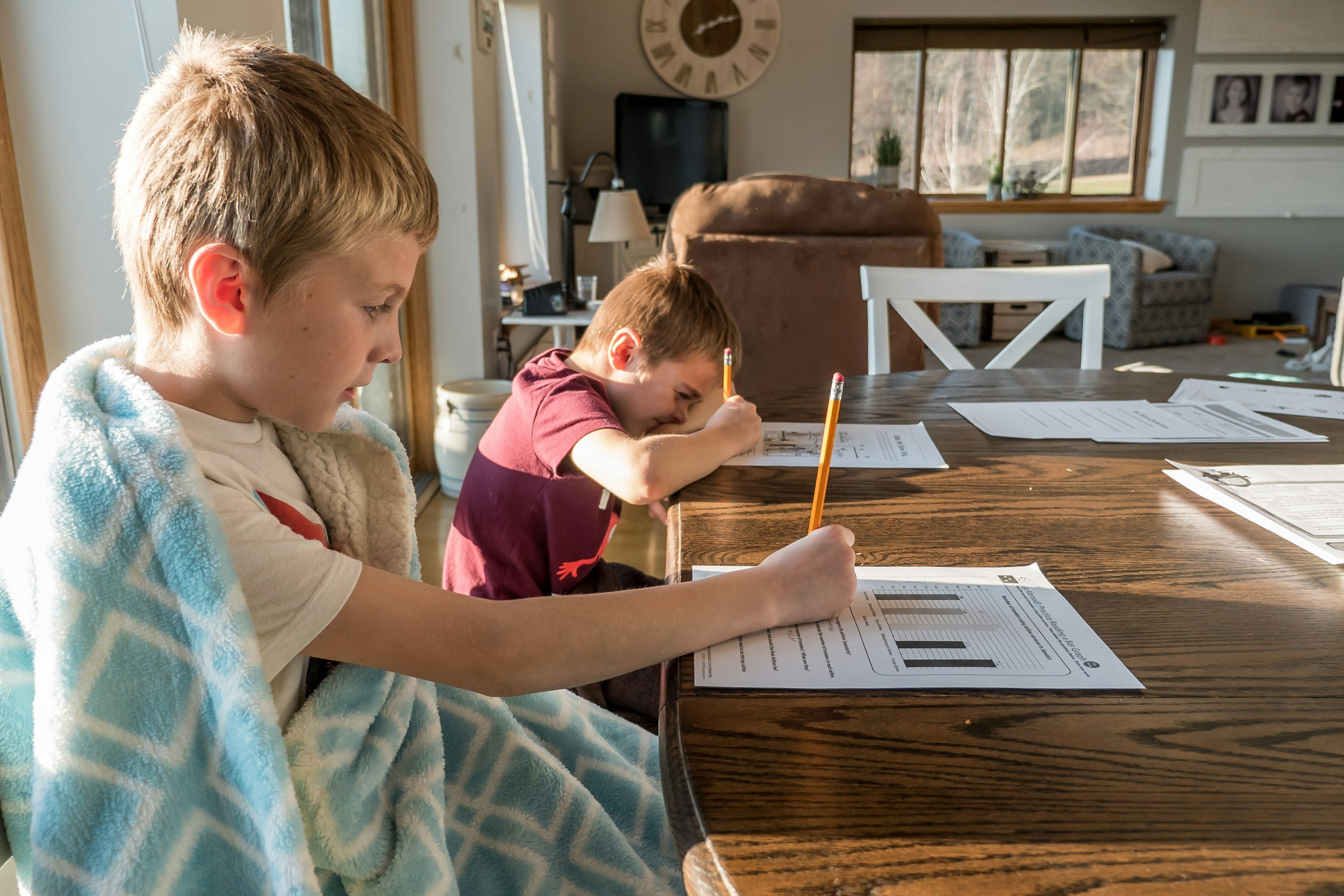
As we continue to increase our understanding of neurodivergence, there is more and more information available about parenting strategies and supports. While that can be helpful, it can also quickly become overwhelming. So, I’ve done some of the research and gathered a few of the most common and practical tips that may help both you and your neurodivergent child.
For this article, neurodivergent refers to children with ADHD and AuDHD.
Structure and Routine
This one can be especially hard when you are also the neurodivergent parent, but structure and routine are incredibly important. While all children benefit from routine, neurodivergent children may need it in more areas of life or for a longer period of time than their peers.
Creating routines can feel uplifting and confidence-building because children know what to expect and what comes next, rather than feeling “out of control” or stuck in decision paralysis.
Examples might include:
A bedtime checklist
A visual schedule in the kitchen
Morning routines written on a whiteboard
Consistent transitions between activities
Small amounts of structure can make a huge difference.
Simple Communication
For neurodivergent kids, long lists of instructions can feel overwhelming and may make them want to give up before they even start.
Instead of saying, “Clean your room,” try breaking tasks into smaller, manageable steps. For example:
“Pick up all the garbage in your room.”
“Now grab all the dirty clothes.”
“Next, put your books back on the shelf.”
This allows their brain to focus on one task at a time without trying to remember everything all at once. Smaller steps can reduce overwhelm and help tasks feel more achievable.
Physical Activity
Physical activity is crucial for helping neurodivergent children release energy that often builds up in their bodies. Many neurodivergent kiddos carry large amounts of physical and mental energy, which can contribute to difficulty sleeping, trouble sitting still, and challenges with emotional regulation.
Physical activity does not have to mean highly competitive sports or daily practices. Movement can look like:
Dancing to music
Playing Dance Dance Revolution on the Nintendo Switch
Riding bikes
Going on walks
Yoga before bedtime
Playing outside
Movement gives both you and your child a much-needed break from physical anxiety and restlessness.
Positive Reinforcement
Dopamine is the name of the game.
When neurodivergent children know there is a positive outcome connected to a task, engagement often becomes much easier. Positive reinforcement helps motivate and encourage behaviors in a supportive way.
This might look like:
Reward charts
Sticker systems
Extra playtime
Verbal praise
Celebrating small wins
Even something as simple as remembering to bring their backpack inside can be worth acknowledging. Calling attention to those moments reinforces the behavior and helps build confidence, motivation, and self-esteem over time.
Parenting neurodivergent children can sometimes feel exhausting and overwhelming, especially with the amount of information available online. The most important thing to remember is that there is no such thing as a “perfect” parent. Consistency, patience, flexibility, and connection often matter far more than getting every strategy exactly right.