
Experiencing Grief and Depression Post-Partum
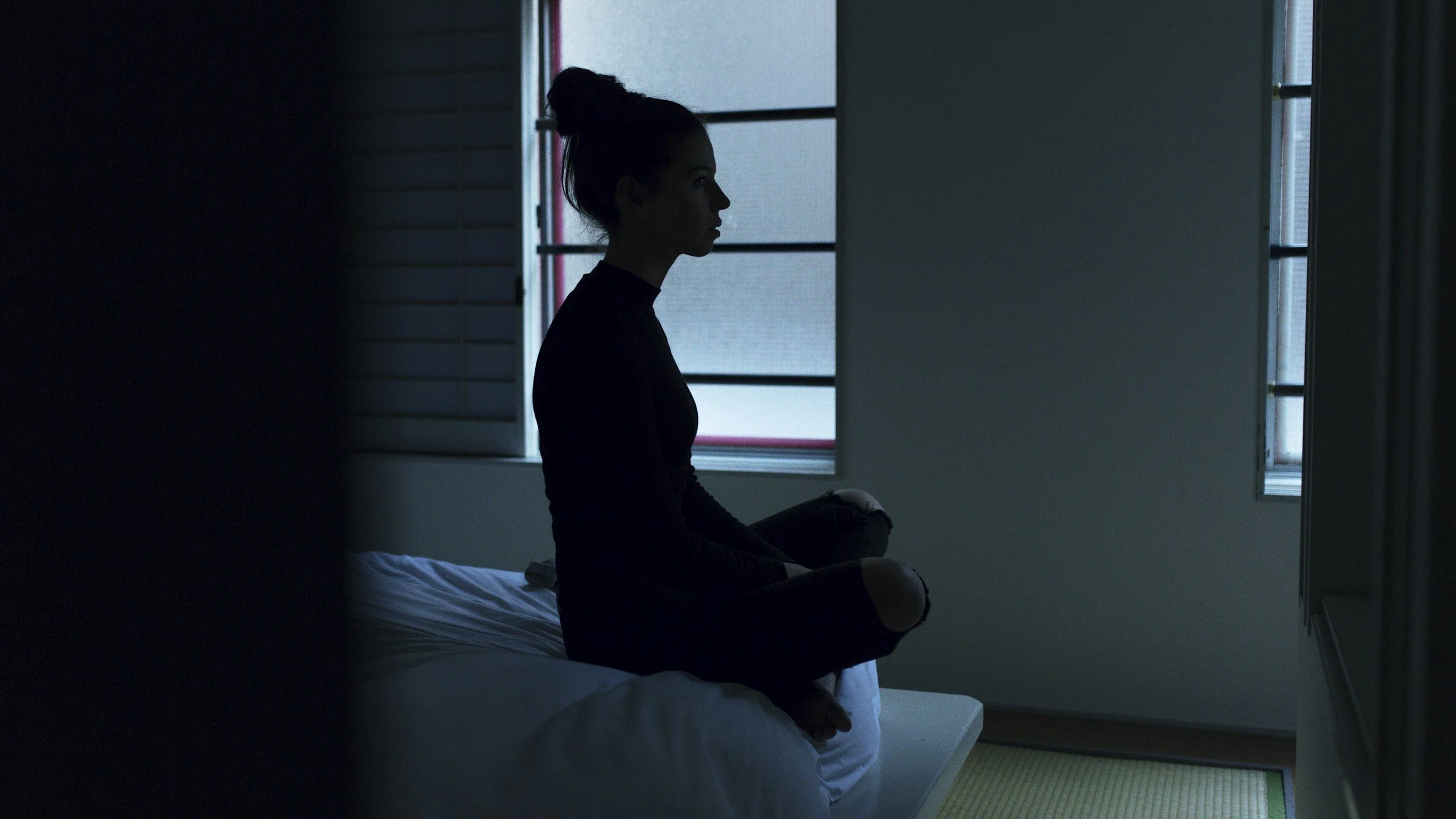
“Pregnancy, birth, and having a baby is a time of exponential growth that can often trigger intense emotional responses, from happiness and joy to fear and anxiety”
All experiences after giving birth are valid, and there is no “right” way to feel. When what you are experiencing doesn’t align with what you thought it “should” look like, that gap can feel incredibly lonely.
Baby Blues vs. Post-Partum Depression
In working with clients and in research, one of the most prevalent terms I saw used is “baby blues.” Statistics suggest that the baby blues “affects up to 80% of new mothers. It involves mood swings and weepiness that typically resolve on their own within two weeks of delivery. It is not the same as postpartum depression” (Carberg, n.d.).
The difference between postpartum depression and the baby blues is severity, duration, and impact on functioning. Postpartum Depression (PPD) can begin anytime within the first year after birth, lasts longer than two weeks, and does not improve without support.
Post-Partum Grief and Depression Symptoms
Symptoms of PPD can include:
Ongoing sadness or low mood
Loss of interest in activities
Significant anxiety
Feelings of worthlessness
Excessive guilt
Difficulty bonding with the baby
Changes in sleep, appetite, and possible thoughts of harming oneself.
These symptoms interfere with daily functioning and the ability to cope.
Postpartum grief and depression can show up quietly, in ways that are easy to dismiss at first, for example:
It might feel like a heaviness you can’t shake.
It might look like crying more than you expected.
Feeling disconnected from yourself or your baby.
Grieving parts of your life that have suddenly changed.
This grief doesn’t have to be about something obvious. Sometimes it involves grieving your old routines, your sense of independence, your body, your relationship dynamics, or even the version of yourself you were before. You can deeply love your baby and still be struggling. Those two things can exist and be true at the same time.
Depression after birth can add another layer. It can make everything feel heavier. Things that used to feel simple, like getting out of bed, responding to messages, or caring for yourself and your baby, can suddenly take much more effort. You may also experience guilt for feeling this way.
Prevalence
If this is something you're experiencing, it’s important to know that you're not alone.
Postpartum mental health struggles are incredibly common, and they are not a reflection of your ability to love or care for your child. “Nationally, about 1 in 8 women experience symptoms of postpartum depression after giving birth. However, this rate can be as high as 1 in 5 women in some U.S. states” (Carberg, n.d.).
Seeking Support
Sometimes support looks like talking to someone who understands, whether that’s a therapist, a support group, or a trusted person in your life. Sometimes it looks like naming what you’re feeling without trying to fix it right away. And sometimes it’s just getting through the day in whatever way you can. Know that you are not alone, and there are resources and support available nationally and in your community.
If you're experiencing postpartum depression, be kind to yourself. You’re adjusting to a life-changing event, one that impacts you physically, emotionally, and mentally. The path to healing is different for everybody.
You’re allowed to feel what you feel, and you don’t have to carry it alone. Please reach out for support.
Resources:
PSI: Loss and Grief in Pregnancy and Postpartum (website with support groups, resources, guides, information, etc.) https://postpartum.net/get-help/loss-grief-in-pregnancy-postpartum/
Montana Specific Resources:
Brennah Bell, MSW, SWLC
References
Citations: Carberg, J. (n.d.). Postpartum depression statistics. PostpartumDepression.org. https://www.postpartumdepression.org/resources/statistics/
Roots Family Collaborative. (n.d.). Roots Family Collaborative. https://www.rootsfamilycollaborative.com/