
Cooking: Chore or Therapy?
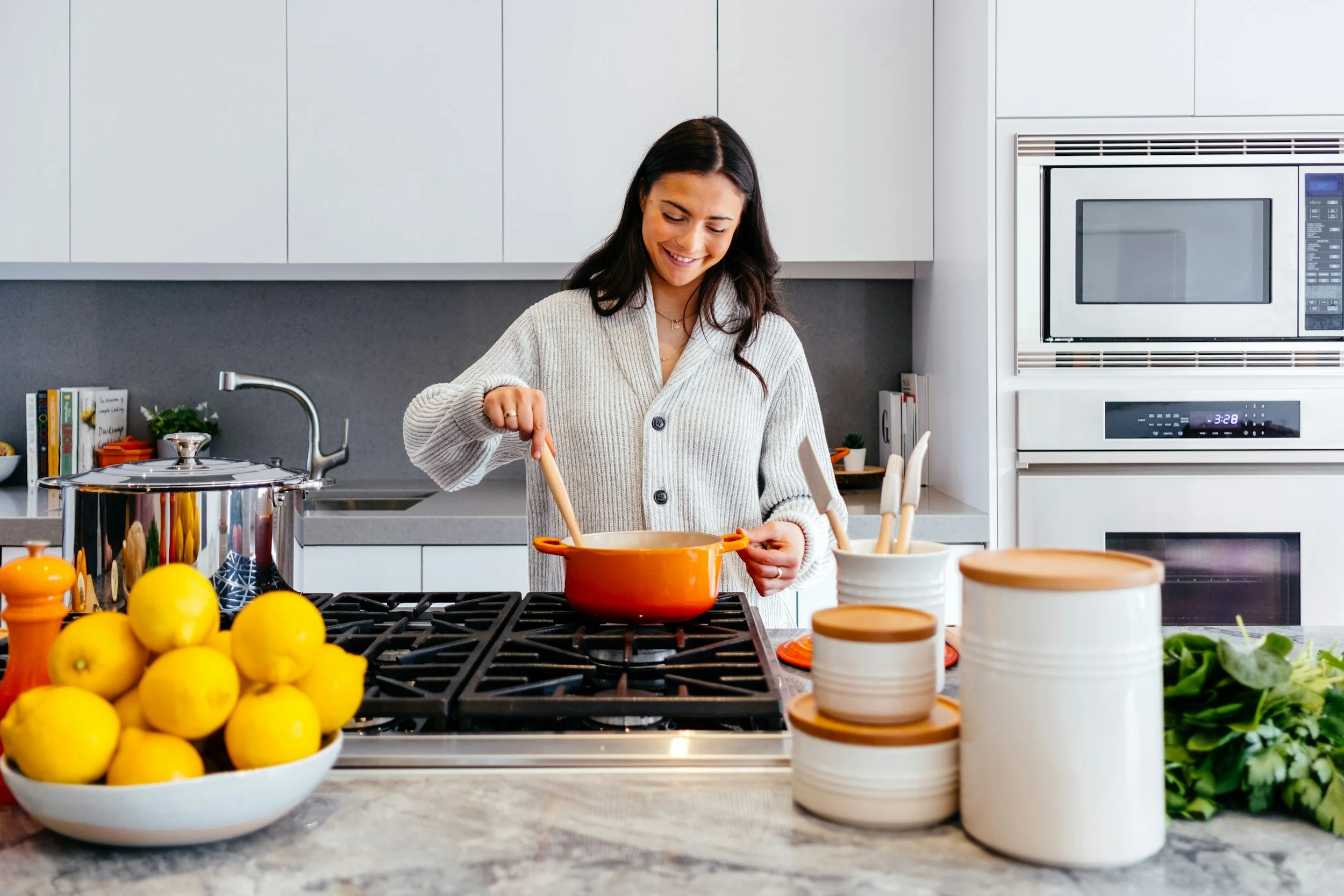
In a world that moves fast and demands constant attention, finding simple, grounding activities can make a real difference in how we feel. Cooking—something many people see as just a daily chore—can actually become a powerful tool for supporting mental health. When approached with intention, time in the kitchen can calm the mind, boost mood, and even help rebuild a sense of control.
A Break from Mental Overload
Cooking requires focus, but it’s a gentle kind of focus. Measuring ingredients, chopping vegetables, and following a recipe all pull your attention into the present moment. This can act as a natural form of mindfulness, giving your brain a break from rumination, stress, or anxious thoughts. Unlike scrolling through your phone or multitasking, cooking encourages you to slow down and engage fully with what’s in front of you.
A Sense of Accomplishment
Even a simple meal can provide a tangible sense of achievement. When you start with raw ingredients and end with something nourishing, it reinforces a feeling of capability. This can be especially meaningful during periods when other parts of life feel uncertain or overwhelming. Small wins—like successfully trying a new recipe—can build confidence over time.
Creative Expression
Cooking is both practical and creative. You can follow a recipe exactly or improvise based on your tastes and what you have available. That freedom allows for self-expression without pressure. Choosing flavors, experimenting with spices, or plating food in a visually appealing way can engage the same parts of the brain that other creative outlets do, like painting or writing.
Sensory Comfort
The kitchen is full of sensory experiences: the sound of sizzling, the smell of herbs, the warmth of a stovetop. These sensations can be deeply comforting and grounding. Familiar foods, especially those tied to positive memories, can evoke feelings of safety and nostalgia. Even the repetitive motions—stirring, kneading, chopping—can have a soothing rhythm.
Building Routine and Structure
Mental health often benefits from routine, especially during times of stress or instability. Cooking can anchor your day, providing a predictable and meaningful activity. Planning meals, grocery shopping, and setting aside time to cook can create structure without feeling rigid or overwhelming.
Nourishment That Goes Beyond Food
Preparing your own meals can also strengthen your relationship with food. Instead of seeing eating as rushed or disconnected, cooking encourages awareness of what you’re putting into your body. This can lead to more balanced eating habits and a greater appreciation for nourishment—not just physically, but emotionally as well. Most importantly, cooking provides an opportunity to prove that you are worth the time, intentionality, and care it takes to nourish our most important and powerful ally – the one within ourselves!