
Creating a New Year Routine That Supports Your Mental Health
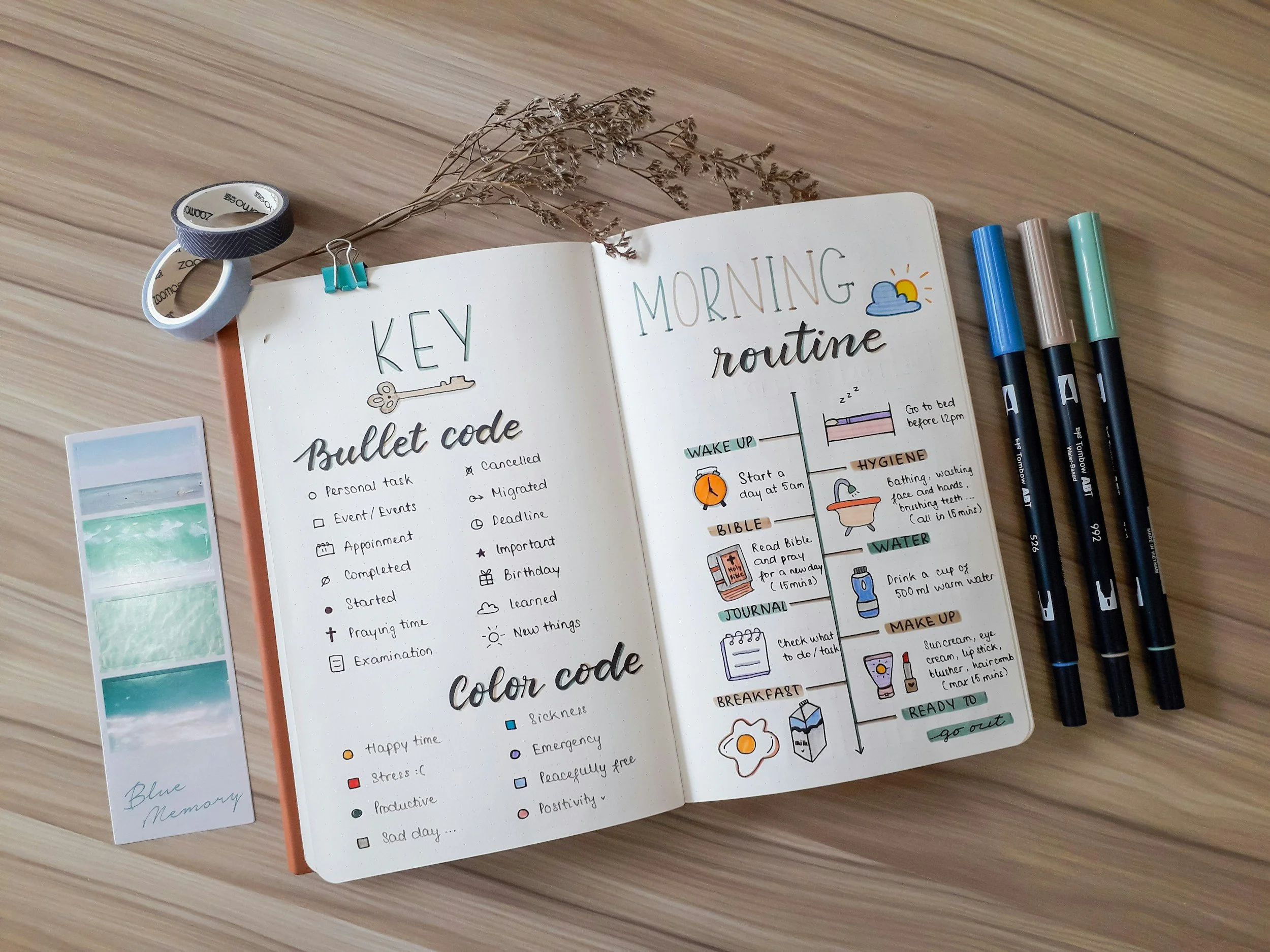
The start of a new year often comes with pressure to reinvent ourselves. New goals, new habits, and new routines can feel exciting at first, but they can also quickly become overwhelming. While routines can be incredibly supportive for mental health, trying to change everything at once often leads to stress, frustration, and burnout. Rather than aiming for a perfect routine, this year can be about creating one that gently supports your mood, energy, and nervous system.
From a mental health perspective, routines do much more than help us stay organized. They support emotional regulation by creating predictability. Our brains and bodies feel safer when there is a sense of rhythm to the day. When we know roughly what to expect, our nervous system doesn’t have to work as hard to stay alert or on edge.
Consistent routines can help:
Stabilize mood
Reduce anxiety
Improve sleep
Increase a sense of control during stressful or uncertain times.
Routines don’t eliminate difficult emotions, but they can make those emotions easier to manage.
Many people approach the new year with an all-or-nothing mindset, believing that if they are going to make a change, it has to be done perfectly. However, our brains are not designed for drastic, immediate change. When we try to shift too much at once, it often leads to:
A drop in motivation
Routines feel rigid or overwhelming
One missed day can lead to giving up entirely
Small, incremental changes are more sustainable because they work with how the brain forms habits. Each small success builds confidence and makes the routine feel more natural over time.
A helpful reframe when building a routine is to focus on support rather than self-discipline. Instead of asking what you should be doing, it can be more beneficial to ask what would actually support your mental health right now.
A supportive routine is not about:
Productivity
Pushing through exhaustion
Doing things perfectly
It is about creating conditions that help you feel:
More regulated
More grounded
More cared for
When starting a new routine, it can help to choose just one small habit that feels realistic within your current life. This might be something as simple as:
Drinking a glass of water in the morning
Stepping outside briefly for fresh air
Taking a few slow breaths before starting the day
Habits are often easier to maintain when they are connected to something you already do, such as stretching after brushing your teeth or taking a grounding moment while making coffee. The goal is consistency, not intensity. A routine that feels manageable and repeatable will support mental health far more than an ambitious routine that only lasts a week.
It’s also important to expect some resistance. There will be days when a routine feels supportive and days when it feels difficult or pointless. This does not mean you are failing. Approaching these moments with curiosity rather than judgment allows routines to remain flexible and responsive to your needs. Over time, your routine may need to change as your energy levels, responsibilities, or emotional needs shift. That flexibility is a strength, not a setback.
Remember, it’s normal for routines to:
Feel supportive some days
Feel harder on others
Need Adjustment over time
As the new year begins, remember that you don’t need a brand-new version of yourself to create positive change. Small moments of care, repeated over time, help your nervous system learn that support is available. A mental-health-supportive routine is less about checking boxes and more about making a quiet commitment to show up for yourself, even in simple ways, even on hard days.
If you’d like support creating or maintaining routines that truly fit your life and mental health needs, therapy can be a helpful place to explore what regulation and care look like for you.