
Why “No” Is a Complete Sentence (and a Boundary!)
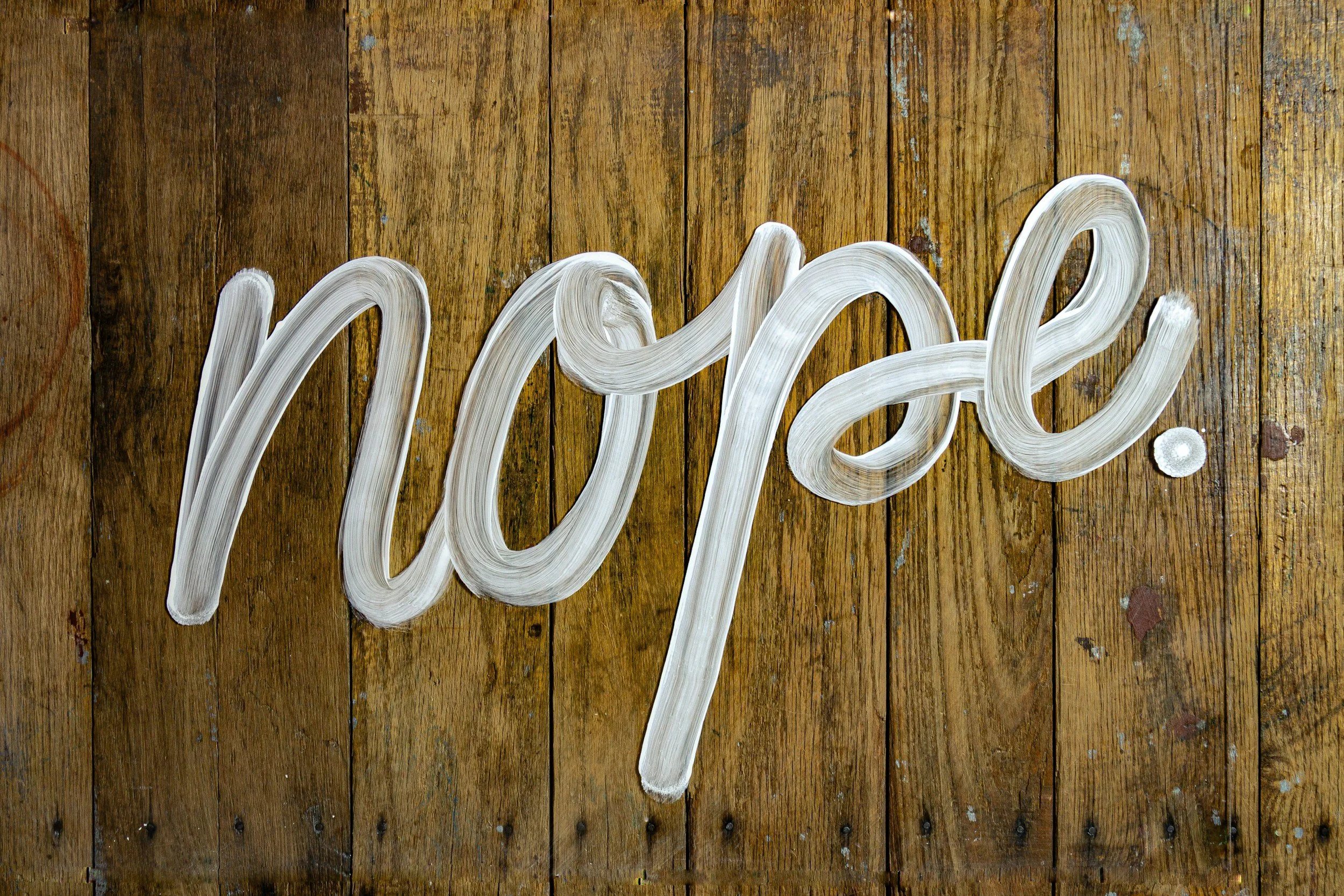
In counseling, clients often hear a lot about boundaries. Many wonder why therapists emphasize them so much, and how one small word like “no” can be a boundary. The answer is simple: boundaries protect your mental health.
Why Boundaries Matter
Healthy boundaries help you:
Feel respected
Reduce stress and burnout
Prevent resentment
Protect your time and energy
Build stronger relationships
Improve self-esteem
Many people were never taught that their needs matter. Instead, they learned to put others first and avoid conflict. Over time, this leads to emotional exhaustion and unhealthy relationships.
Therapy helps people learn that it is okay to have needs and limits. Boundaries create emotional safety.
What Is a Boundary?
A boundary is a personal “ground rule” that communicates what you are and are not comfortable with. It is not about controlling others; it is about respecting yourself.
Examples include:
“I don’t like being yelled at.”
“I need time alone after work.”
“I’m not lending money.”
Boundaries reflect self-respect and protect your emotional well-being.
How “No” Is a Boundary
When you say “no,” you are saying:
“This doesn’t work for me.”
“I’m not comfortable with this.”
“I’m choosing not to do this.”
That is a boundary, and it’s important to remember that your “no” is valid, even without an explanation!
Why Therapists Encourage Simple Responses
Fear of rejection or conflict may cause people to feel pressure to over-explain when setting a boundary:
“I’m sorry, I can’t do that because…”
“I don’t want to upset you, but…”
Therapists encourage brief, clear responses because:
Long explanations invite arguments or pressure from others
Guilt increases
Boundaries weaken
A calm “no” shows confidence and self-respect.
When Boundaries Are Missing
Without boundaries, people often feel:
Drained
Anxious
Taken advantage of
Overwhelmed
Resentful
Over time, this stress can affect both mental and physical health.
Why Saying No Can Feel Hard
Saying no may feel unsafe due to:
Childhood criticism
Fear of abandonment
Being taught to “always be nice”
Trauma
Low self-esteem
People-pleasing patterns
What once felt unsafe may feel safer now. Learning to say no is part of healing and growth, and it can be part of your story as well.
Boundaries Are Not Mean
Boundaries are not rude. They are respectful. They create honesty, safety, and healthier relationships.
Final Encouragement
Therapists focus on boundaries because:
People heal when they feel safe
Safety requires limits
Limits often begin with “no”
Saying no is not selfish. It is healthy.
If boundaries feel difficult, counseling can help. You deserve relationships where your needs are respected, and we are here to listen and support you. Reach out today to connect with a member of our counseling team.
Monique M. Schofield, PCLC
References & Further Reading
Brown, B. (2010). The Gifts of Imperfection. Hazelden.
Van der Kolk, B. A. (2014). The Body Keeps the Score. Viking.
Cloud, H., & Townsend, J. (2017). Boundaries: Updated and Expanded Edition. Zondervan.