
What is AuDHD?
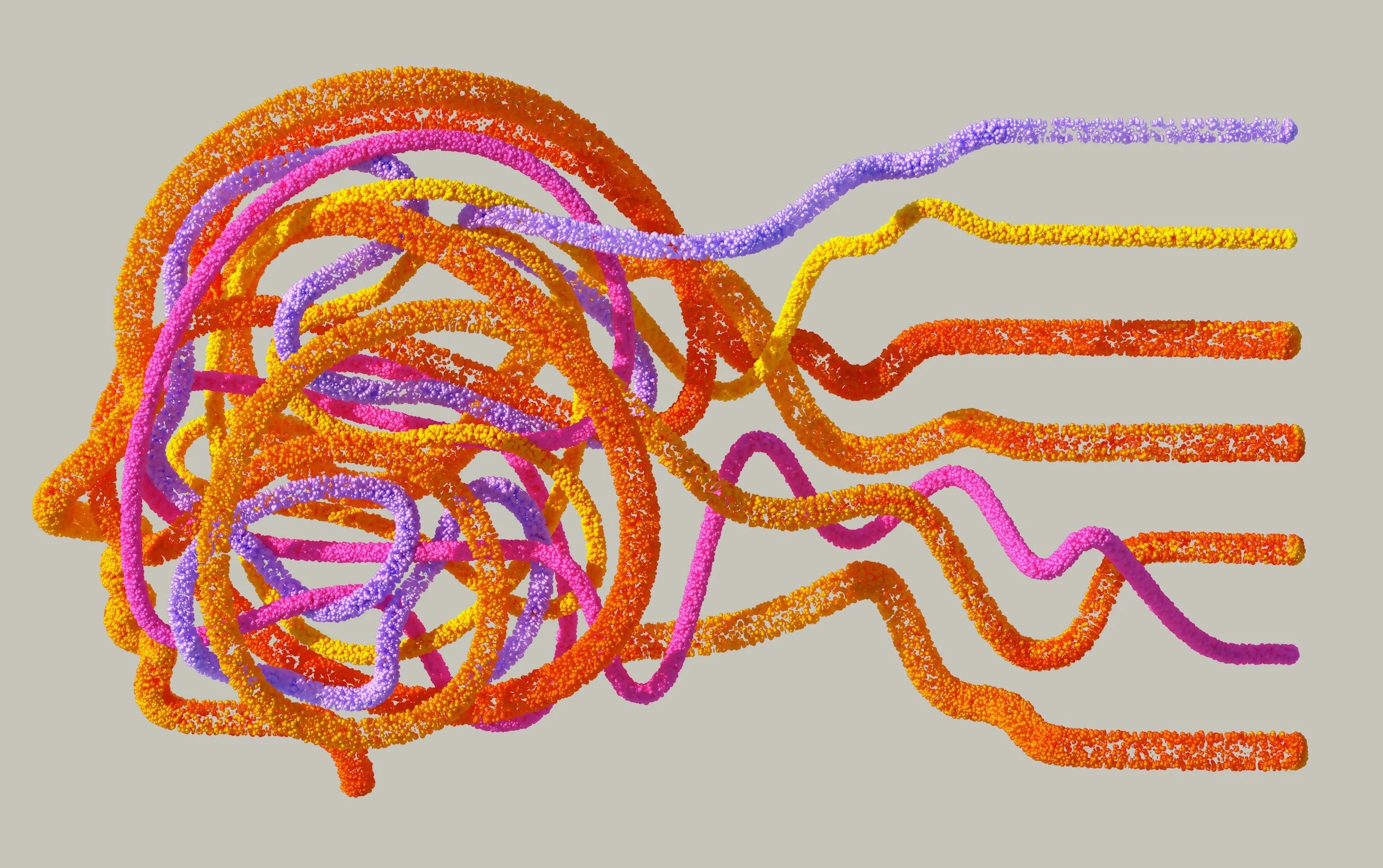
AuDHD is a term that is becoming increasingly familiar online and in clinical spaces. Some people dismiss it as a “TikTok trend,” but research and lived experiences suggest otherwise. While AuDHD is not an official diagnosis in the DSM-5, it is a very real experience for many people who meet criteria for both Autism Spectrum Disorder (ASD) and Attention-Deficit/Hyperactivity Disorder (ADHD).
For a long time, clinicians believed someone could not have both diagnoses at the same time. However, newer research has shown significant overlap between ADHD and Autism, and many people are now recognizing patterns in themselves that finally make sense.
The term “AuDHD” combines ASD and ADHD, and the interaction between the two can create some unique challenges.
The “Living Contradiction”
One of the most common experiences people describe with AuDHD is feeling like a walking contradiction.
ADHD can make routines difficult to maintain. People may struggle with consistency, lose interest quickly, procrastinate, or feel like they “thrive in chaos.” On the other hand, ASD often craves predictability, structure, routine, and organization.
With AuDHD, someone may deeply want routine and stability but find themselves unable to consistently maintain it. This can create a frustrating cycle of feeling like they are failing, lazy, or “not trying hard enough,” even when they are putting in significant effort.
The Masking Effect
Another challenge is masking.
For example, someone with ASD may hyperfocus on a specific interest for hours at a time. That intense focus can sometimes mask ADHD-related struggles with attention or dopamine-seeking behaviors. On the flip side, ADHD can present as talkative, social, energetic, or impulsive, which may mask autistic traits such as sensory overwhelm, social exhaustion, or the desire to withdraw.
Because of this overlap, many people go years without accurate diagnosis or understanding of themselves. Instead, they may grow up simply wondering, “What’s wrong with me?”
Different Environments, Different Needs
AuDHD can also look very different depending on the environment someone is in. Traits may ebb and flow based on which needs are being met and what demands are present.
For example, someone shopping for a hyperfixation or special interest may barely notice sensory input around them because their brain is highly engaged and stimulated. In other situations, that same person may become quickly overwhelmed by lights, sounds, crowds, or social interaction.
This can make AuDHD confusing not only for others, but for the individual experiencing it. Some days one side feels more prominent than the other, and that fluctuation is often normal.
Moving Toward Understanding
If you relate to these experiences, it may be worth exploring further with a trusted professional or through your own self-education. Not everyone feels the need for a formal diagnosis, and that choice is deeply personal. However, many people report that understanding they are AuDHD brings a sense of relief, self-compassion, and validation.
For some, it is the first time their experiences finally make sense. Instead of asking, “What’s wrong with me?” they begin asking, “What support do I need?”