
If you’ve worked with me before, you probably know I reference Harry Potter more than the average therapist. There’s something about that series that has stayed with me over the years, not just as a story, but as a framework for understanding resilience, connection, and choice.
I don’t use it because it’s whimsical. I use it because it captures complex emotional truths in ways that feel accessible. And one of the quotes I return to often, both personally and in my work, comes from Albus Dumbledore:
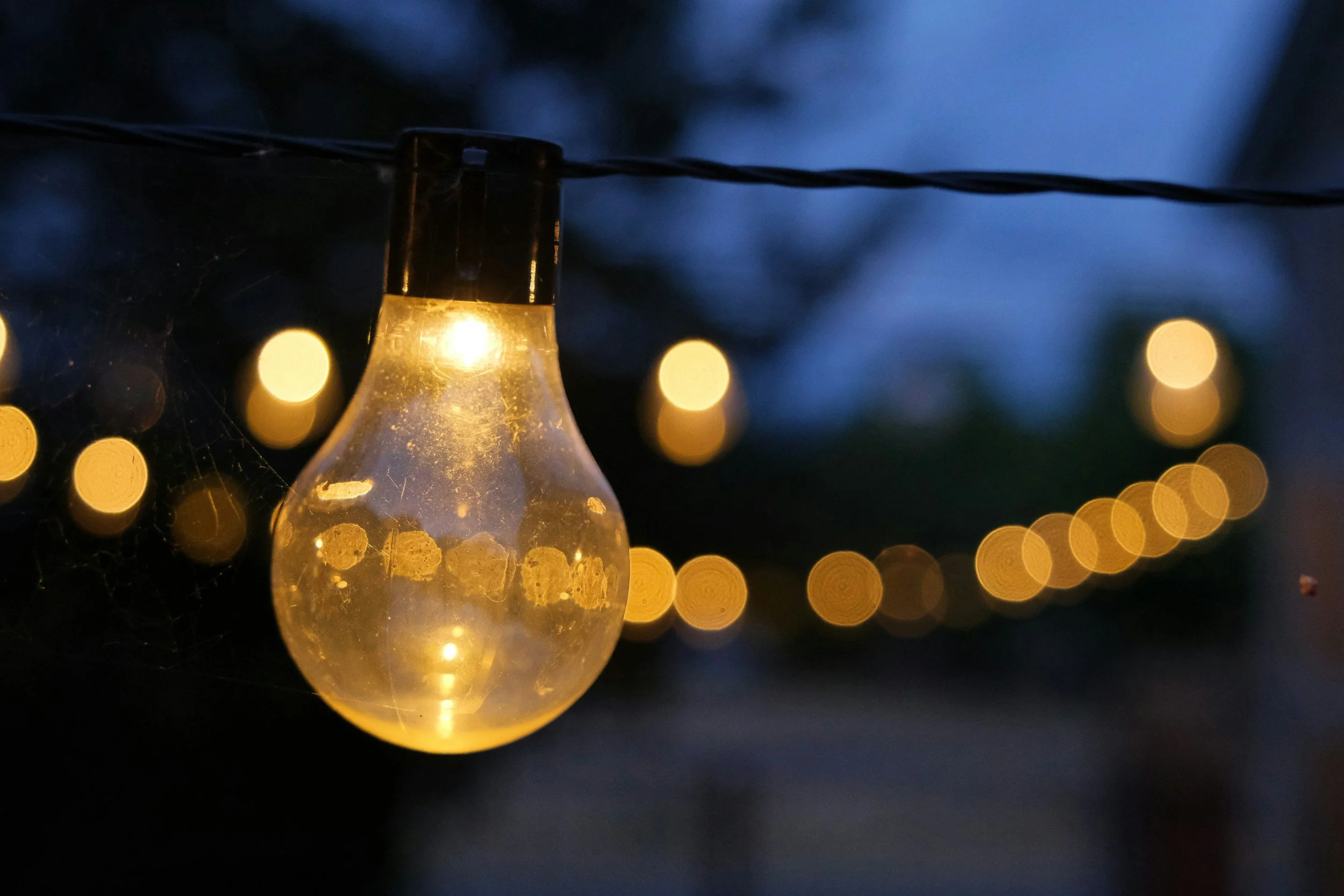
“Happiness can be found, even in the darkest of times, if one only remembers to turn on the light.”
Darkness in our lives is real. It can look like depression, anxiety, trauma, grief, burnout, loneliness, or chronic stress. It can feel heavy and persistent. Turning on the light does not mean denying that darkness exists. It means responding to it intentionally.
In therapy, we often talk about the nervous system. When we are overwhelmed, our brains shift into survival states, fight, flight, freeze, or fawn. Darkness, in this sense, isn’t weakness. It’s a nervous system under strain. We don’t shame ourselves out of that state. Instead, we look for small ways to gently guide the system back toward safety.
Turning on the light is rarely dramatic. It may be naming one feeling instead of shutting down. It may be taking one slow breath when your chest feels tight. It may be reaching out to a safe person, going outside for a few minutes, attending a therapy session when part of you wants to cancel, or challenging one distorted thought. Light is not a personality trait. It is a practice. It is the repeated choice to engage in one regulating action in the middle of dysregulation.
Throughout the series, Harry does not eliminate darkness. He walks through it, repeatedly. What sustains him is not denial, but connection. Friendship, loyalty, mentorship, love, and courage function as his light. He does not face the darkest moments alone, and that detail matters. In real life, light is often relational. It is found in safe attachment, in community, and in shared resilience.
Dark seasons are part of being human. The goal is not to avoid them or rush through them. The goal is to remember that even when things feel heavy, we are not powerless. Small, intentional actions, repeated over time, shift our internal landscape.
Turning on the light doesn’t erase the dark. It reminds us that we still have agency within it. And when we choose even one steady action toward safety, connection, or truth, we are no longer defined by the darkness, we are actively shaping our way through it.
As Albus Dumbledore reminds Harry, “Do not pity the dead, Harry. Pity the living, and, above all, those who live without love.” Even in dark seasons, love, connection, compassion, and courage are often the light that carries us forward.