
Suicide in Rural Montana
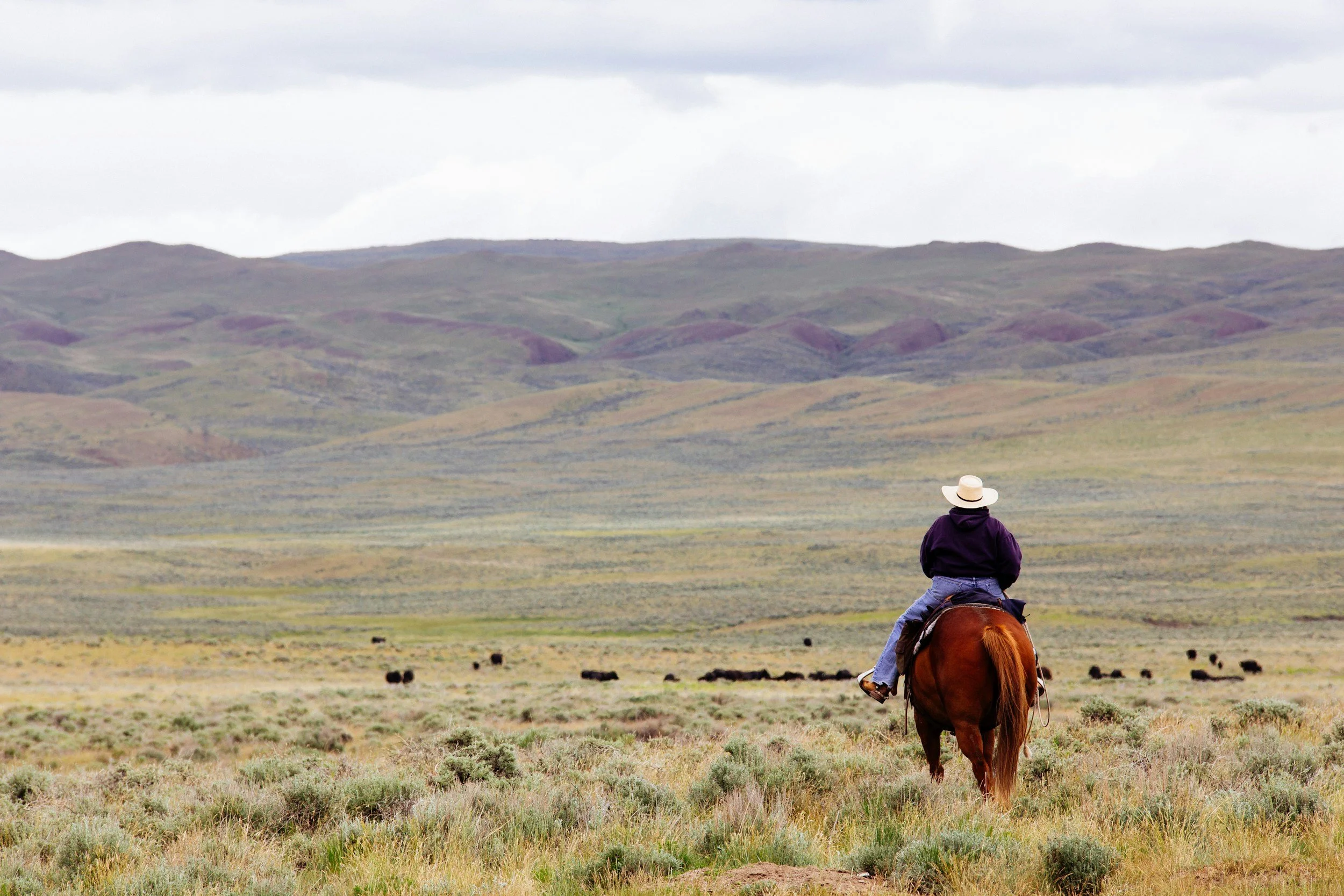
I’ve lived in small Montana towns off and on as both a child and an adult.
Living in a rural community comes with so many benefits. You can get into nature quickly. There’s space to breathe and feel free. At events, people know who you are, and you know them. You get to experience a way of life that many people in urban areas never will.
But there’s another side to it, too.
If you need to see a doctor or a therapist, it can mean a long drive — and often, it only happens if things feel like an emergency. There can be a strong mentality of needing to figure things out on your own. To pick yourself up by the bootstraps and keep going.
Sometimes that mindset helps people survive. But more often, it can lead to suffering in silence, feeling isolated, alone, and without the support needed to be okay.
The reality is hard to ignore: suicide rates in rural areas nearly doubled from 2000 to 2020, according to Centers for Disease Control and Prevention.
Why This Happens
There are a number of factors that contribute to this:
Limited access to mental health and medical services
Increased isolation
Fewer employment opportunities and financial strain
Limited insurance or benefits
Greater access to firearms
When someone dies by suicide in a small town, the impact is felt deeply. These communities are close-knit, and the loss is personal.
In recent years, my own hometown has experienced too many of these losses — losing loved and valued family members, friends, and neighbors.
What Can Be Done
One of the most important steps is challenging the stigma around mental health.
Struggling is more common than we think. And admitting that you’re struggling takes strength, it’s not easy to be honest about what you’re feeling.
Access to care has also changed. Many mental health practices now offer telehealth, making it possible to attend therapy sessions from wherever you are. I’ve worked with clients who step away from feeding cows, changing pipes, or planting crops just to take time for their mental health.
Therapy isn’t just talking, it’s learning:
New coping skills
Ways to shift thought patterns
Tools for communication and connection
There are also psychiatrists and primary care providers who offer virtual appointments and can send prescriptions to your nearest pharmacy. For some, medication can help ease symptoms and make it easier to engage in daily life.
Things to Know
It’s okay to talk about mental health.
It’s okay to ask someone if they’re thinking about suicide. This won’t “put the idea in their head”—it shows that you see them and care about what they’re going through.
The 988 Crisis Lifeline is available for support during difficult moments.
Asking a trusted friend or family member to temporarily hold onto firearms can help create safety during times of increased risk.
Creating regular connection matters. This might look like a weekly coffee meet-up, time at the park, or gathering at someone’s home.
If someone comes to mind who may be struggling, reach out. Check in. Let them know you care and haven’t forgotten.
It’s okay to not be okay.
And it’s okay to ask for help.
You don’t have to go through it alone.