
Exercise and Bilateral Stimulation: How Movement Can Support Mental Wellness
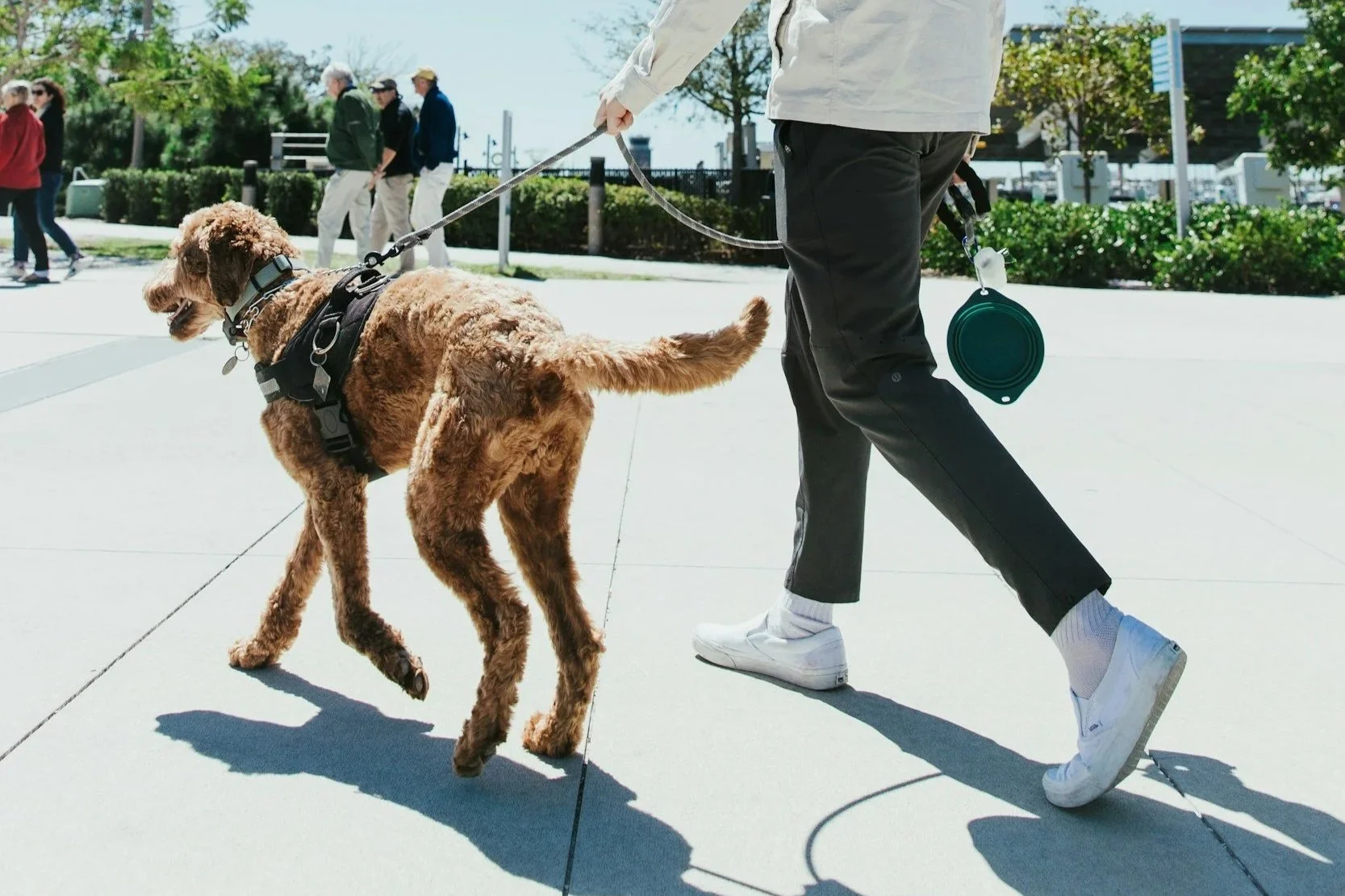
When people hear the term bilateral stimulation, they often think of Eye Movement Desensitization and Reprocessing (EMDR) therapy. While bilateral stimulation is an important component of EMDR, it can also occur naturally during many forms of physical activity. Walking, running, swimming, cycling, and even dancing all involve rhythmic, alternating movement that engages both sides of the body.
Although exercise is not a replacement for trauma therapy, understanding how bilateral movement may support emotional well-being can help explain why many people feel calmer, clearer, and more emotionally balanced after physical activity.
What Is Bilateral Stimulation?
Bilateral stimulation refers to rhythmic, alternating activation of the left and right sides of the body. This can occur through movement, touch, sound, or visual tracking.
In everyday life, bilateral stimulation happens naturally during activities such as:
Walking
Jogging or running
Hiking
Swimming
Cycling
Rowing
Dancing
Cross-country skiing
Climbing stairs
These activities create a steady left-right rhythm that may contribute to both physical and emotional regulation.
How Bilateral Movement May Support Emotional Regulation
Researchers continue to study the relationship between bilateral stimulation and emotional processing. While the strongest evidence for bilateral stimulation comes from its use within EMDR therapy, some experts believe that naturally occurring bilateral movement during exercise may also help support nervous system regulation.
Possible explanations include:
Encouraging Mind-Body Connection
Rhythmic movement often brings attention back to the body. Paying attention to alternating footsteps, arm swings, or breathing patterns can help interrupt cycles of worry and increase present-moment awareness.
Reducing Physiological Stress
Steady aerobic exercise activates systems involved in regulating stress hormones. Combined with repetitive left-right movement, exercise may help some individuals feel calmer after periods of emotional distress.
Supporting Cognitive Flexibility
Many people notice that difficult problems feel more manageable after a walk. While there are several reasons for this—including increased blood flow, improved mood, and taking a break from stress—the rhythmic nature of walking may also encourage a more flexible mental state.
Creating Predictable Rhythm
Trauma and chronic stress can leave the nervous system feeling dysregulated. Repetitive, predictable movement can provide a sense of structure and safety that some people find calming.
Ways to Incorporate Bilateral Movement Into Your Routine
If you're looking for simple ways to combine movement with stress management, consider:
Taking a 20- to 30-minute walk each day.
Going for a light jog while focusing on your breathing.
Swimming laps at a comfortable pace.
Riding a bicycle on a safe trail.
Dancing to your favorite music.
Hiking in nature.
Practicing mindful walking by noticing each alternating step.
The goal is not perfection but consistency. Even short periods of movement can support both physical and emotional well-being.
A Reminder for a Holistic Approach
Exercise is a powerful tool for improving overall mental health, but it is not a cure-all. For individuals living with significant trauma, anxiety disorders, depression, or post-traumatic stress disorder, professional treatment may still be an important part of recovery.
Think of exercise as one piece of a broader wellness plan that may also include therapy, social support, healthy sleep habits, nutrition, and stress-management strategies.
Final Thoughts
Many forms of exercise naturally incorporate bilateral stimulation through rhythmic, alternating movement. While researchers are still exploring exactly how this contributes to emotional well-being, regular physical activity is consistently associated with improved mood, reduced stress, and better overall mental health.
Whether it's a brisk walk around the neighborhood, a bike ride, or a swim, moving your body can do more than improve physical fitness—it can also provide a valuable opportunity to reconnect with yourself, regulate stress, and support your emotional health.