
Creative Expression and Mental Health: Why Making Something Matters
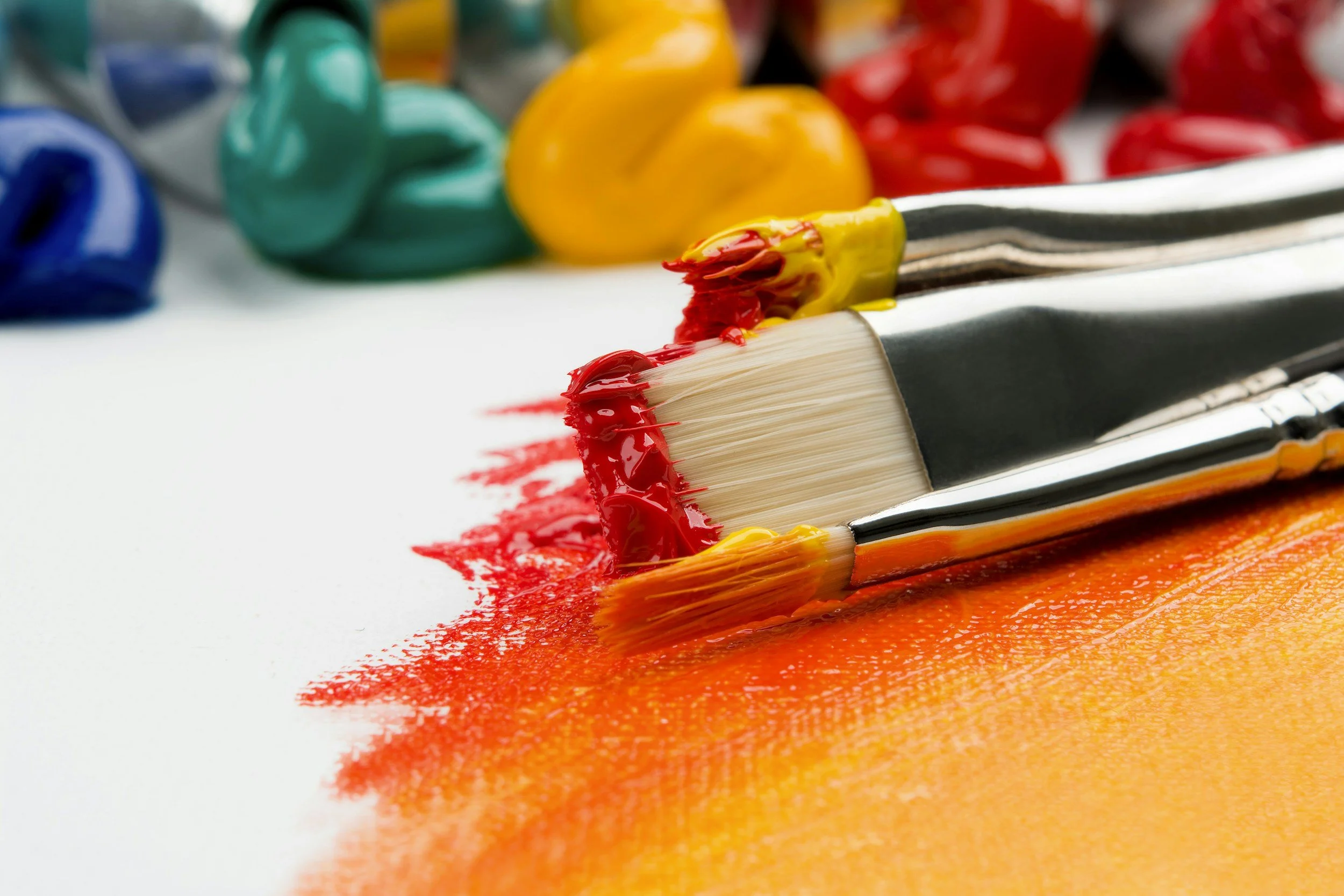
In a world that moves fast and demands constant productivity, creative expression offers something radical: space to feel. Whether it is painting, journaling, dancing in your kitchen, writing poetry, gardening, or playing music, creativity gives shape to emotions that can otherwise feel overwhelming or stuck.
Creative expression is not about talent or perfection, it is about process, and that process can be deeply healing.
Creativity as Emotional Release
Many of us struggle to put our feelings into words. Anxiety can feel like static. Grief can feel like heaviness. Anger can feel explosive. Creative outlets allow us to externalize those internal experiences.
When you write in a journal, sketch an image, or compose a song, you are translating emotion into form. This process can:
Reduce stress and tension
Increase emotional awareness
Improve mood
Provide a sense of relief and clarity
Creativity Builds Resilience
Creative practices also strengthen resilience. When you create something from scratch, you problem-solve, adapt, and experiment. These same skills help us navigate life’s challenges.
During times of stress many people turn to baking, crafting, music, and DIY projects. These are not just hobbies, but are coping strategies. Creativity gives people structure, meaning, and connection in uncertain times.
Creativity and Self-Compassion
Creative expression can also nurture self-compassion. When we create, we practice allowing imperfection. Not every drawing will be beautiful. Not every story will be brilliant. But showing up anyway builds kindness toward ourselves.
In therapy settings, art therapy, music therapy, and drama therapy are used to help individuals explore trauma, identity, and emotion safely. The goal is not artistic mastery, but self-understanding.
You Don’t Have to Be “Artsy”
One of the biggest myths about creativity is that it is reserved for artists. In reality, creativity is a human trait. It shows up in how you solve problems, decorate your home, cook a meal, or tell a story.
If you are not sure where to start, try:
Journaling: Write freely for 10 minutes without editing.
Visual art: Use simple materials—pen and paper is enough.
Movement: Dance to one song without worrying about how you look.
Music: Create a playlist that reflects your current mood.
Crafting: Knit, collage, or build something with your hands.
The key is curiosity, not critique.
Making Space for Creativity
If life feels busy, start small. Five minutes counts. Keep supplies visible. Schedule creative time the way you would any other important commitment. Remember that creative expression is not indulgent, it is restorative. When you create, you are not just making art. You are making room for your emotions, your story, and your healing.